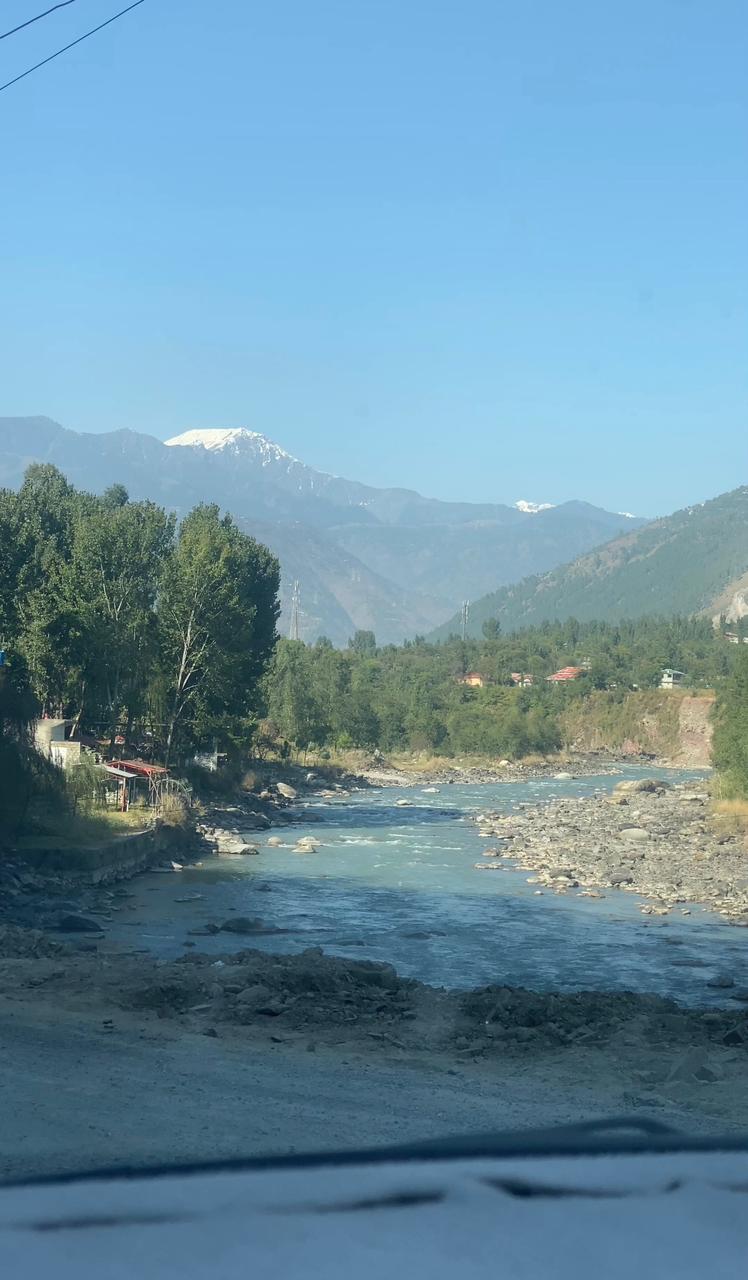
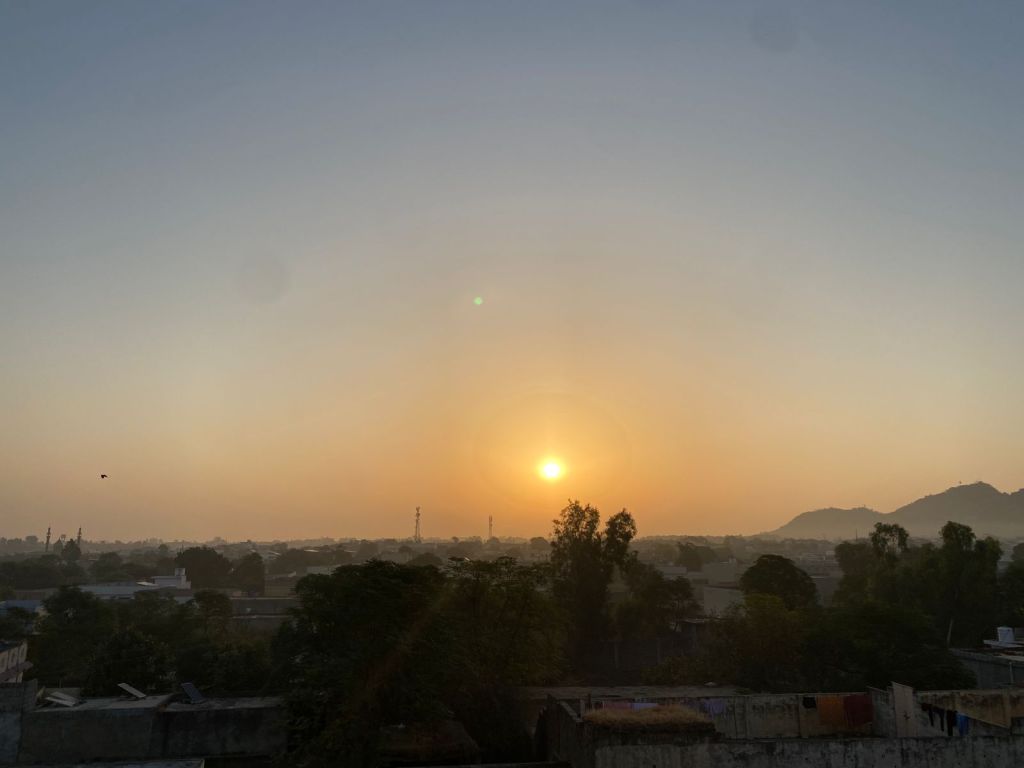
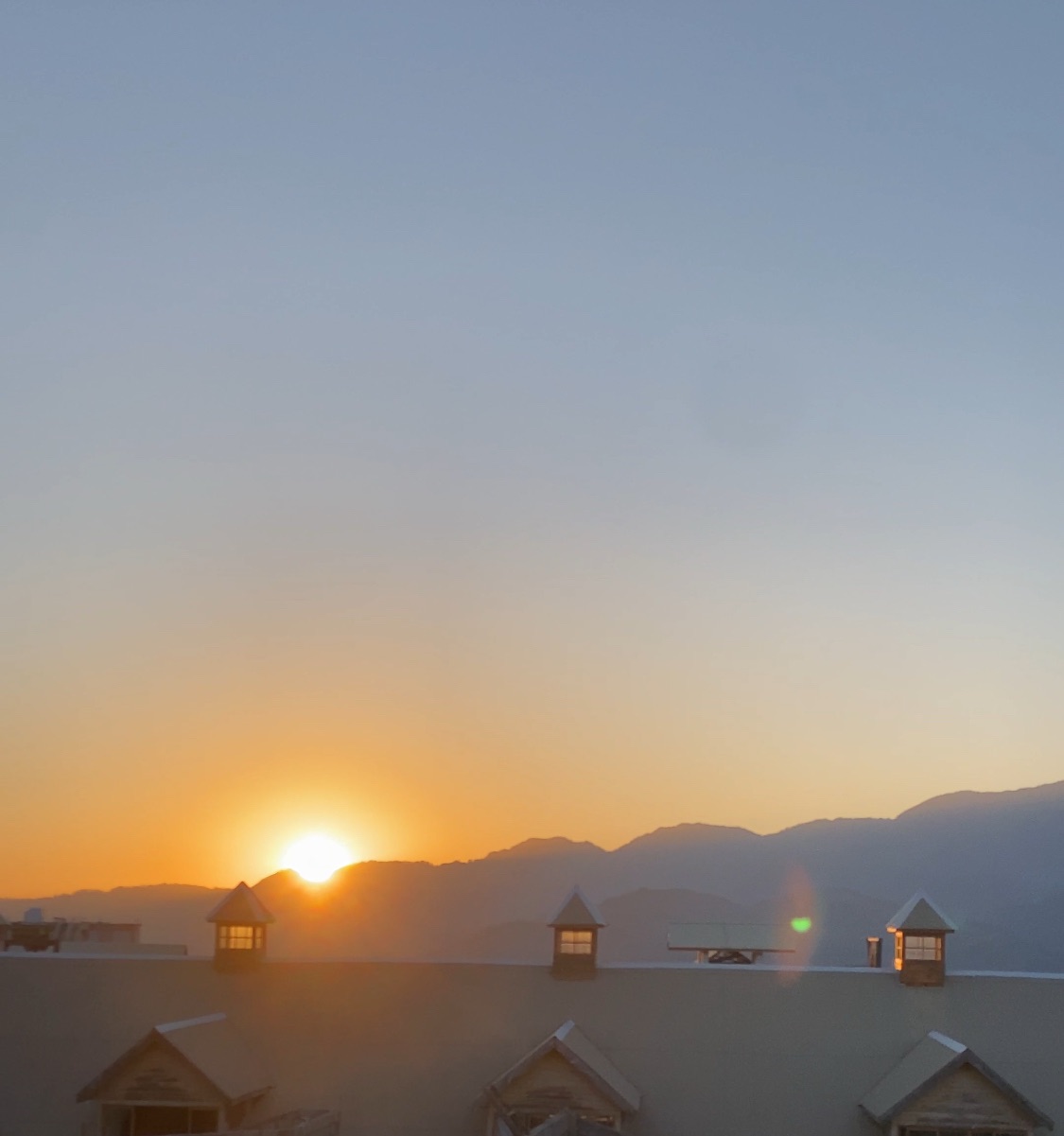
Travel sleep hits different. You go to bed early, not because you’re tired, but because the world grows quiet and there’s nothing else pulling your attention. So I woke up at 6 A.M., stepped out of my room, and boom, a golden sunrise, cold winter air, and birds chirping everywhere.
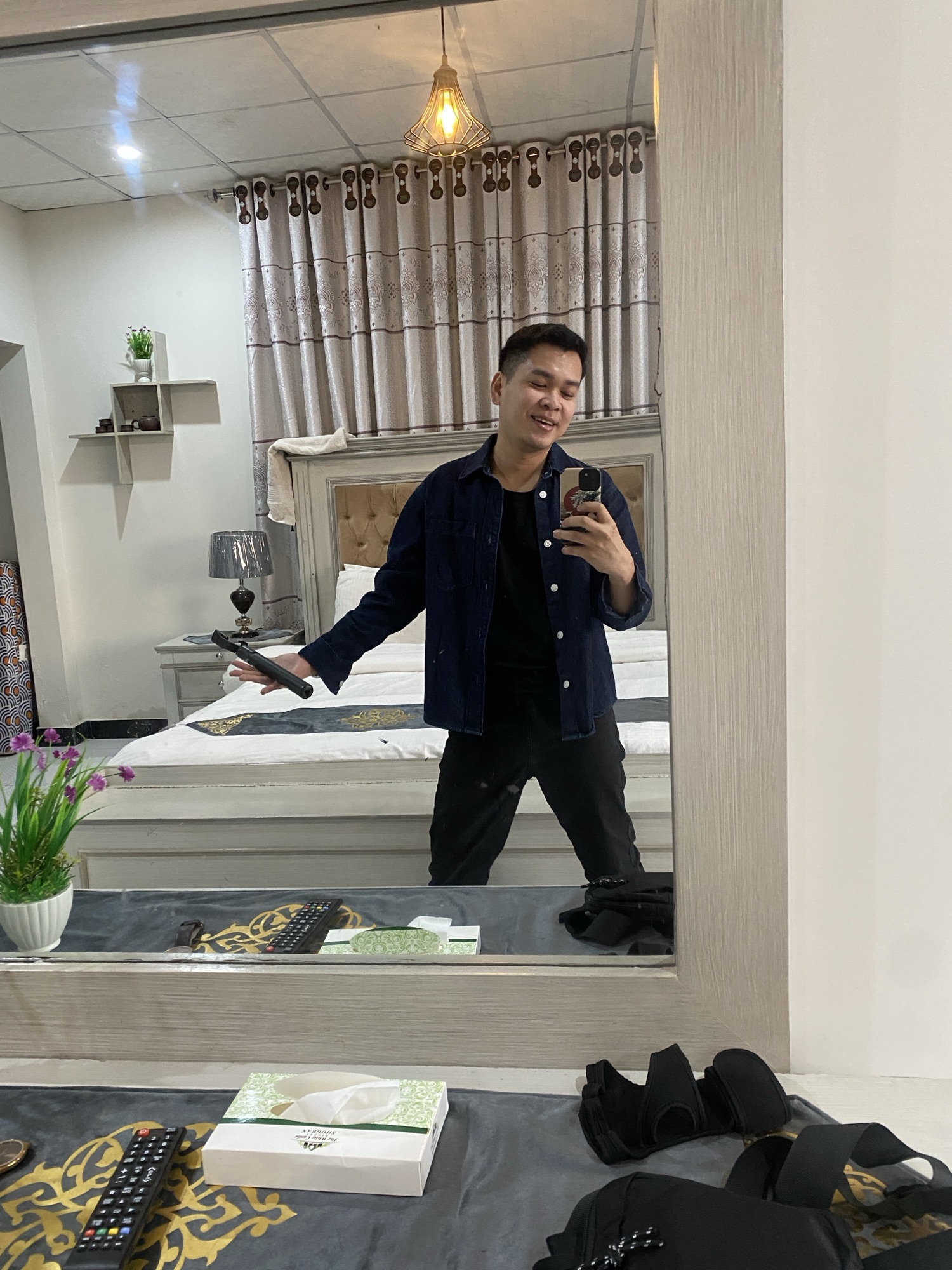
I took my first selfie of the trip with the morning light facing me (you know that soft, glowing tone that makes your skin look blessed?).

Then I focused my camera toward the horizon where the sun slowly rose behind the mountain silhouettes. It was calm, clean, and breathtaking, the kind of morning that makes you whisper “wow” even when no one is around.
Breakfast in Pakistani villages is simple but generous. My host family served omelette and toast, basic but comforting, and a fruit lineup of apples, bananas, and persimmons.
I was fully prepared after breakfast, and before my rented transport car arrived, my host family took me on a single-motorbike ride to the nearest section of the Ghazi Canal in the village.
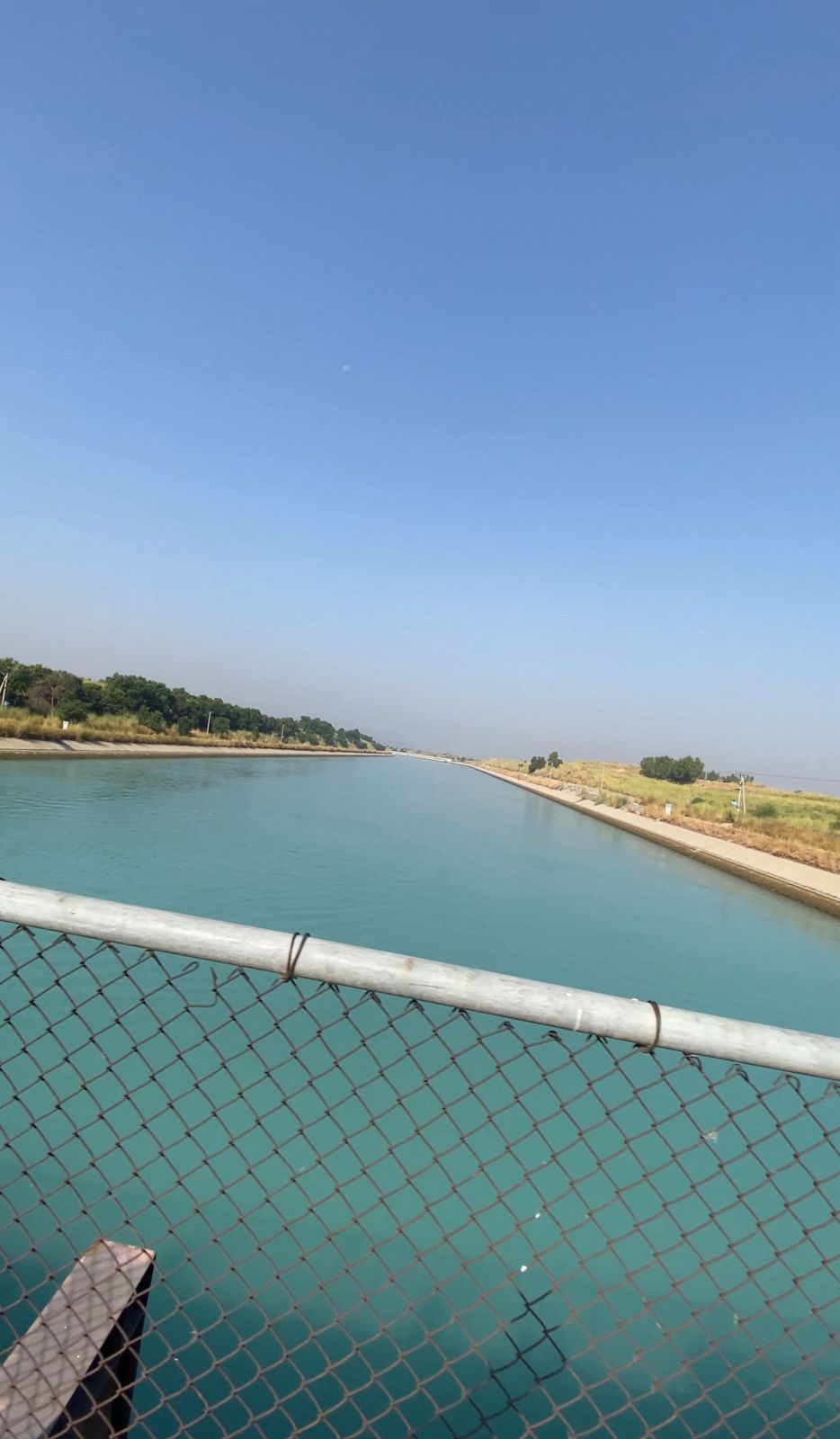
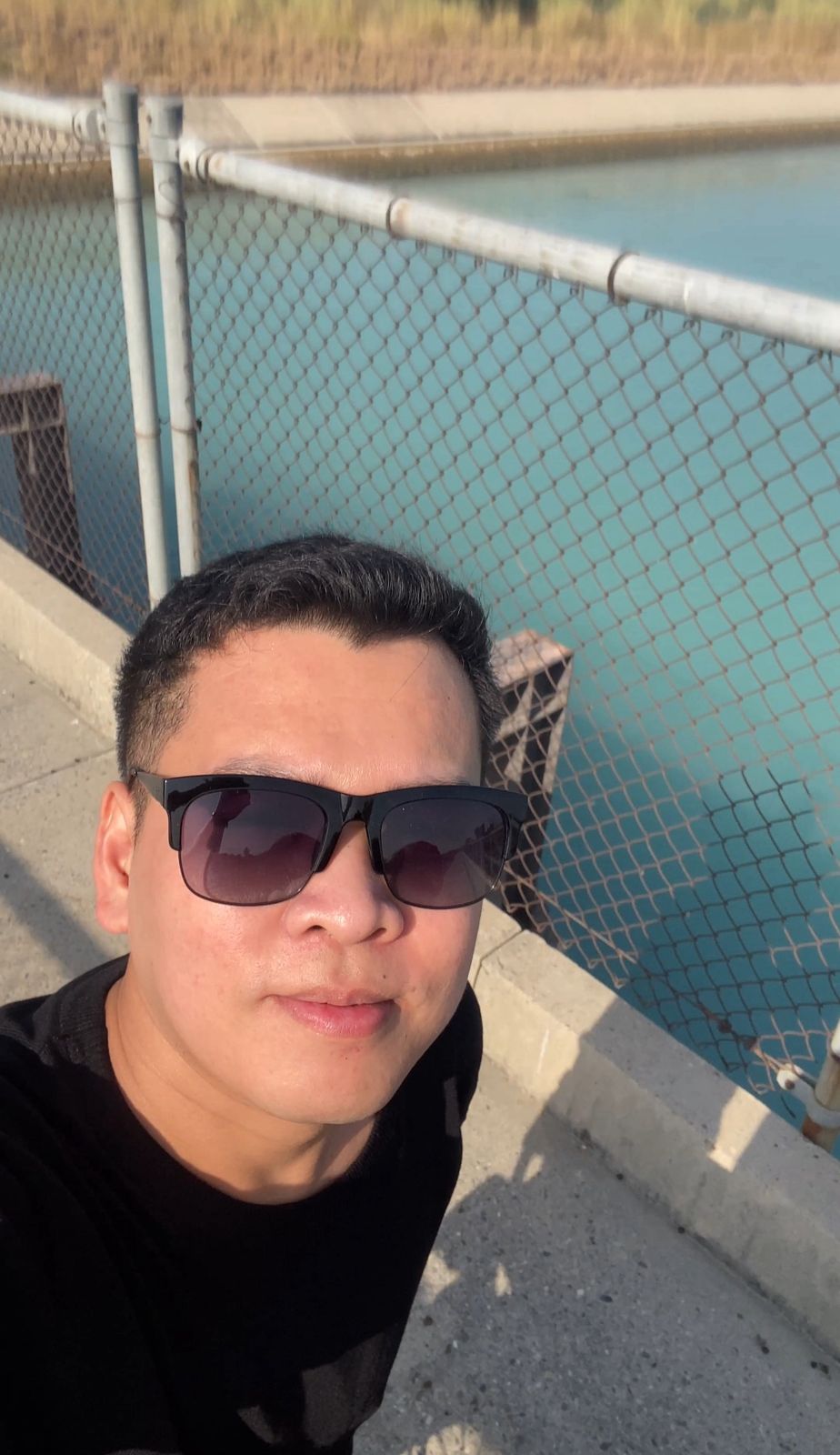
This place is unreal.
The water is clean, blue, and so calm on the surface, but the locals explained that the current below is extremely strong and cold because the canal is engineered for water pressure and controlled flow. What impressed me most:
• floodwater is separated before entering the canal during flash floods,
• the entire bottom is reinforced with concrete,
• no soil erosion occurs,
• and the canal stretches long and straight, a man-made river
The canal’s primary purpose is to transport water for the Ghazi Barotha hydropower project, which has a capacity of 1450 MW. It is used for Hydropower generation.
Leaving the Village: A Raw & Honest Observation
As we drove out, I captured photos of the village houses, built wall-to-wall, narrow pathways, and goats roaming freely on the corners. This is the authentic rural Pakistan experience.
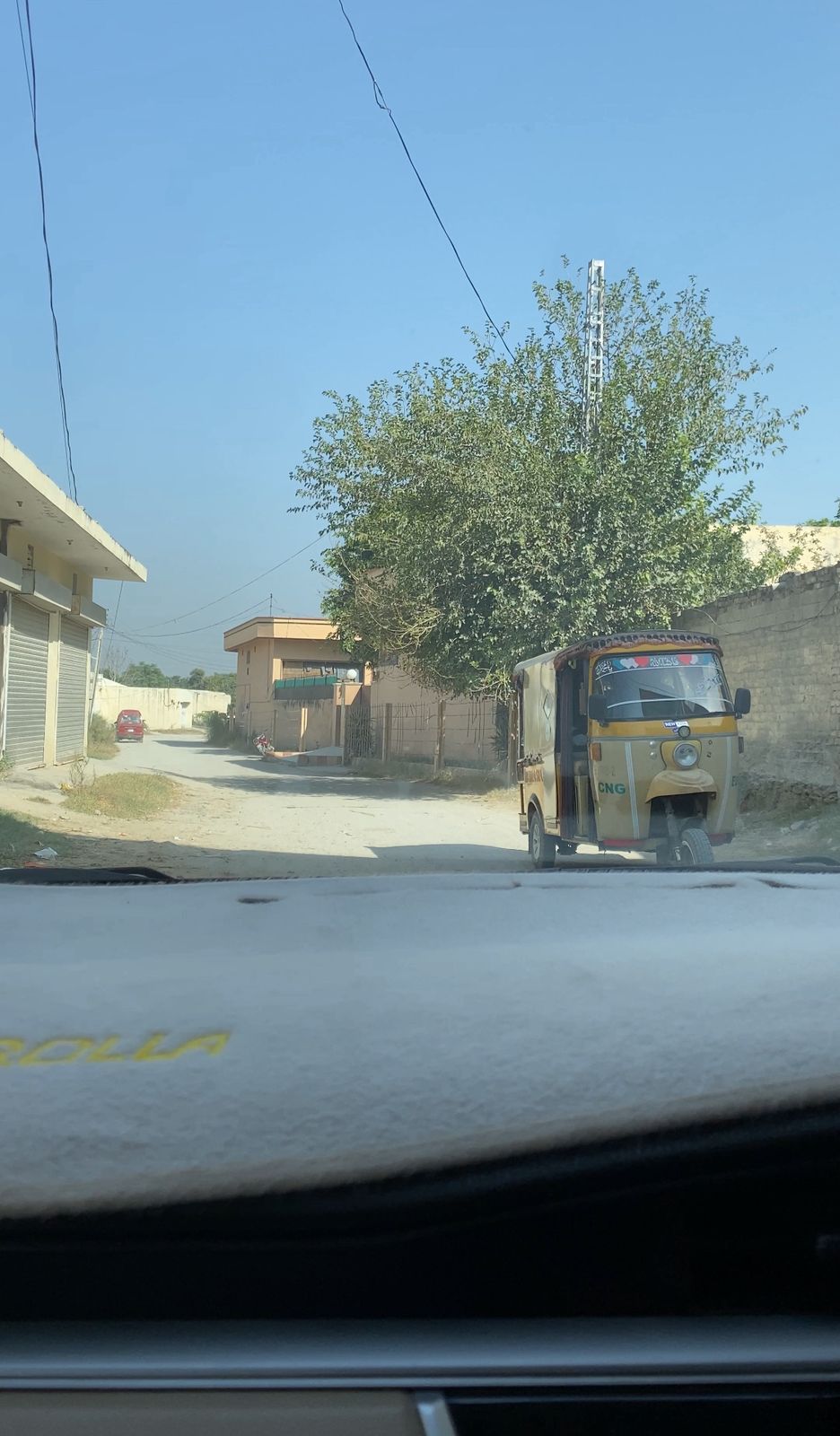

But here’s the hard truth travelers need to know:
waste disposal in many villages is not disciplined. Wrappers, cups, and food packaging are often dropped anywhere for convenience. Combined with the smell of wastewater and animal urine, it can be overwhelming for visitors.
It’s not judgment, it’s an honest observation. And honestly, it made me hope that future awareness or local programs can help villages keep their natural beauty cleaner.
Truck Art, Karak Tea & Kindness
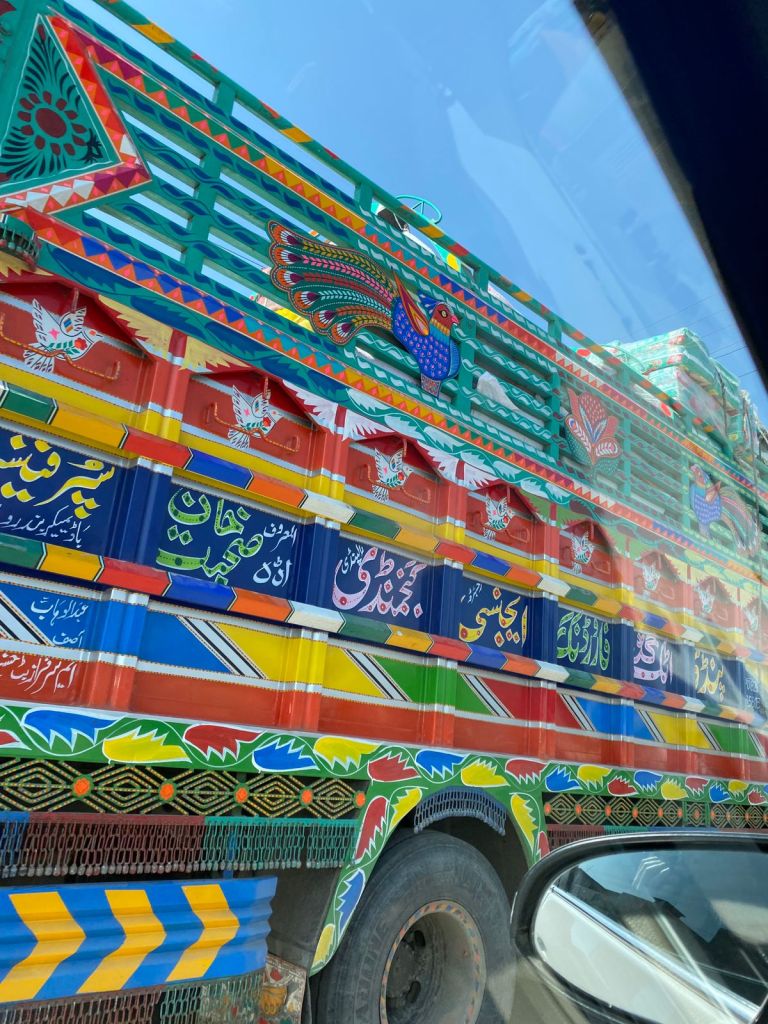
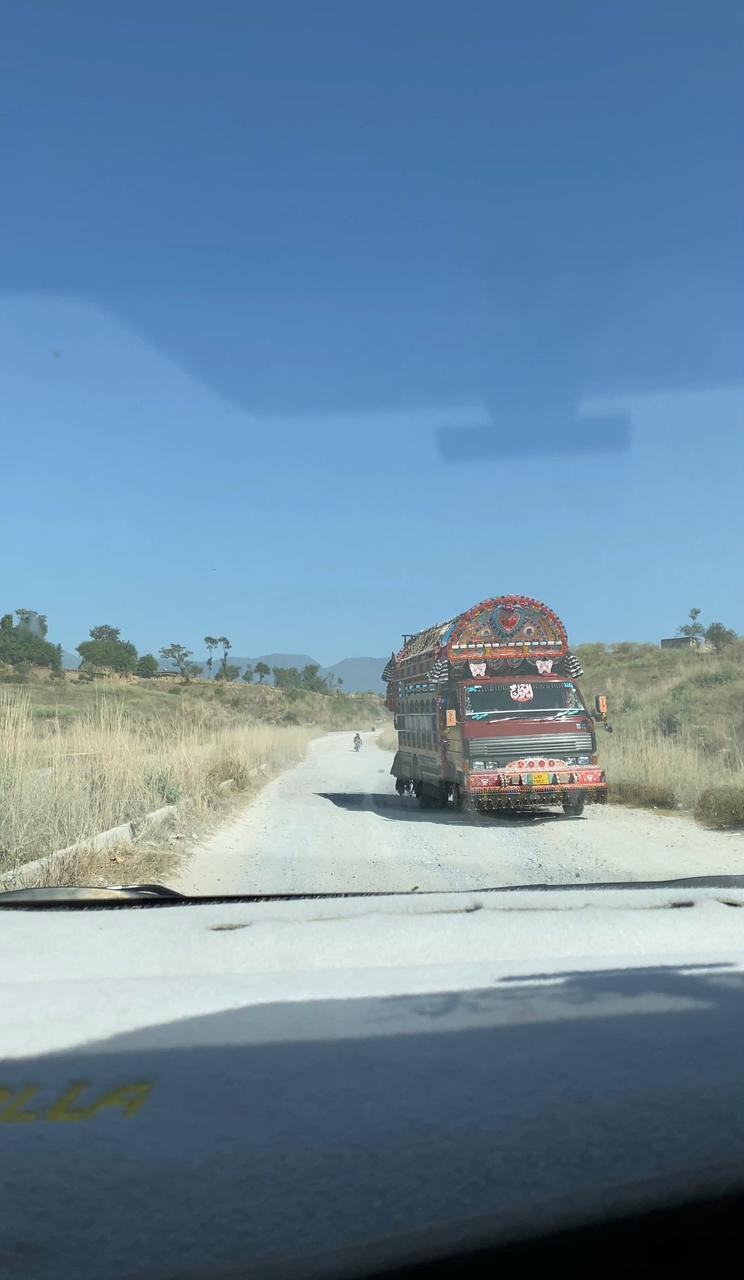
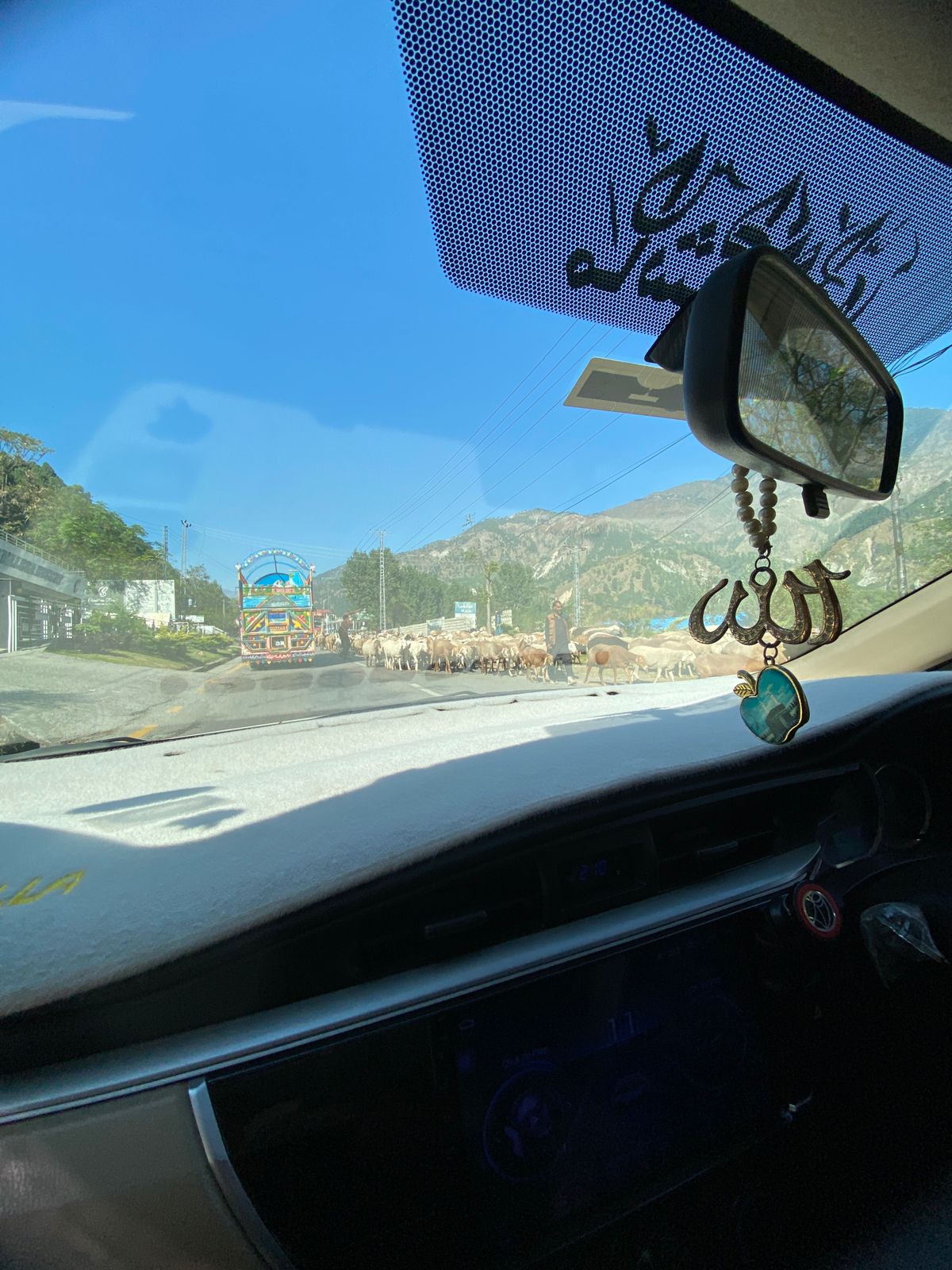
Before reaching the motorway, I spotted a colorful Pakistani truck, a moving canvas with patterns and symbols that all carry cultural meaning. They don’t just drive trucks here; they decorate them with pride and heritage on wheels.
We then stopped at a restaurant for a karak tea break. It was traditional: I sit on a woven bed/bench (charpai style), sip hot tea, and enjoy village calmness.
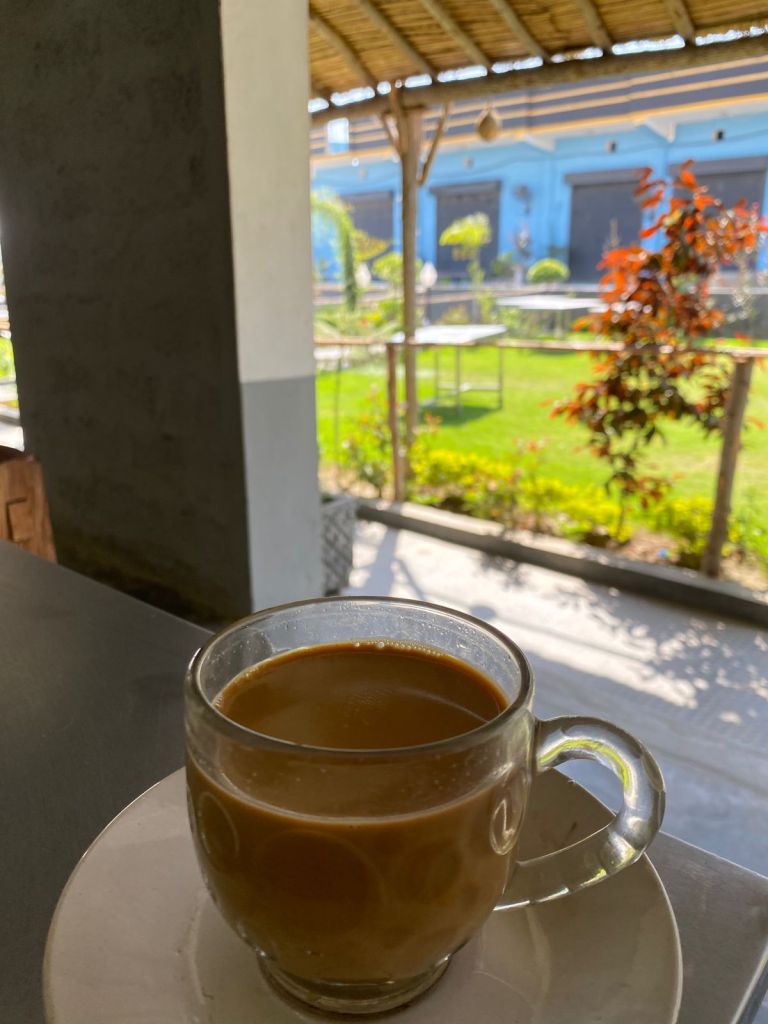
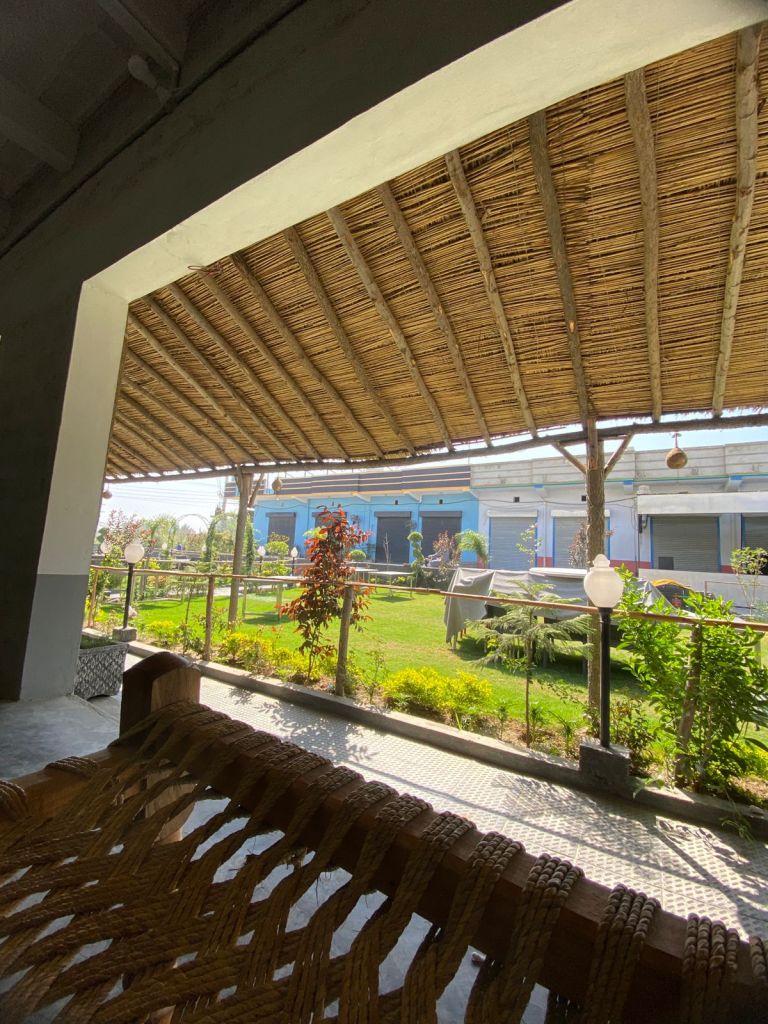
Here’s the heartwarming part: when the locals realized I was a tourist, they refused to take my money. It’s their culture: a guest is an honor, not a customer.
I insisted on paying because it’s their business, but that gesture will stay with me.
Abbottabad → Mansehra Tunnel
As we reached Abbottabad, the houses started appearing on the hills, stacked beautifully like a vertical neighborhood. The view right before the Pakistan-China Friendship Tunnel is postcard-worthy.
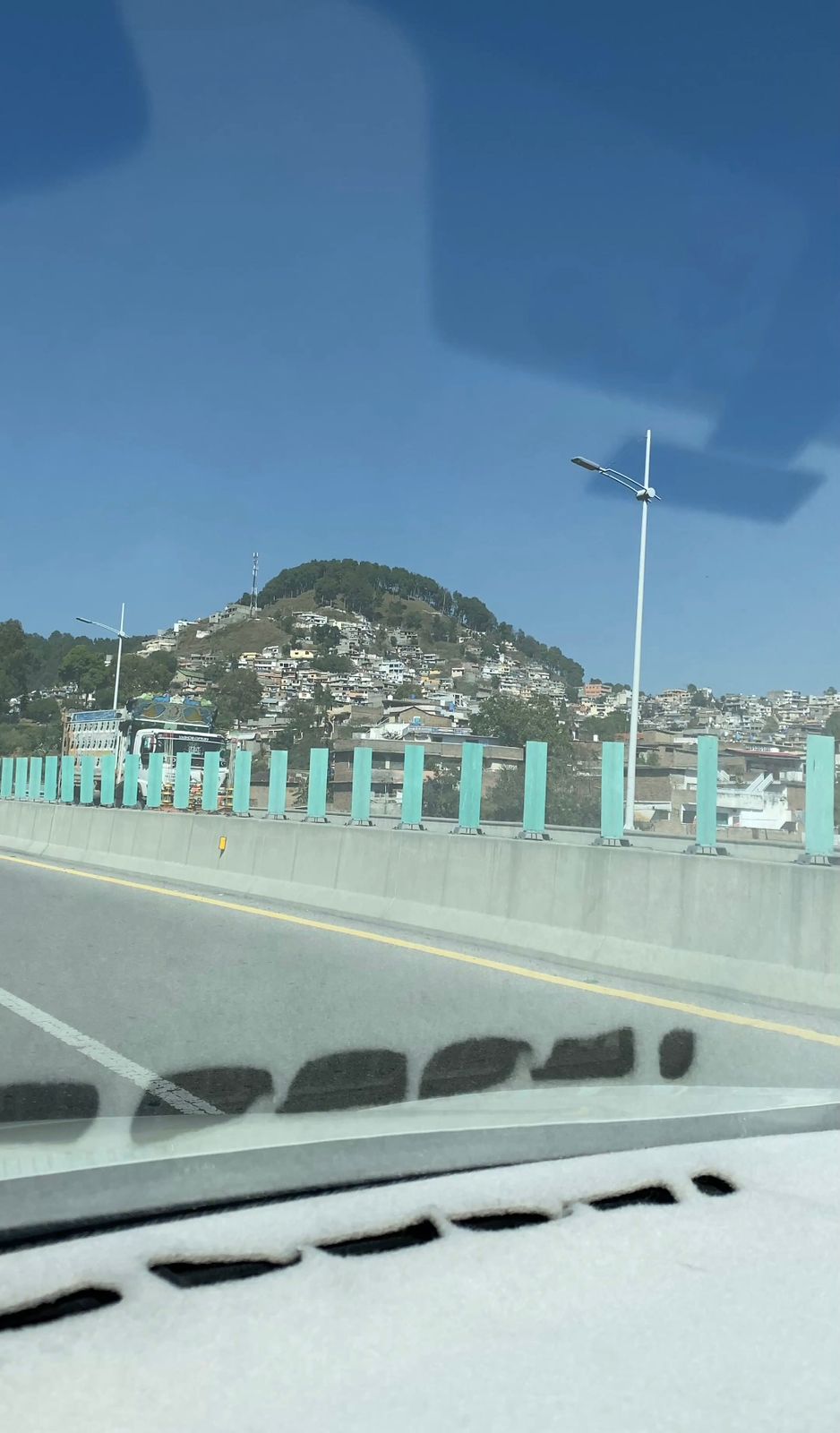
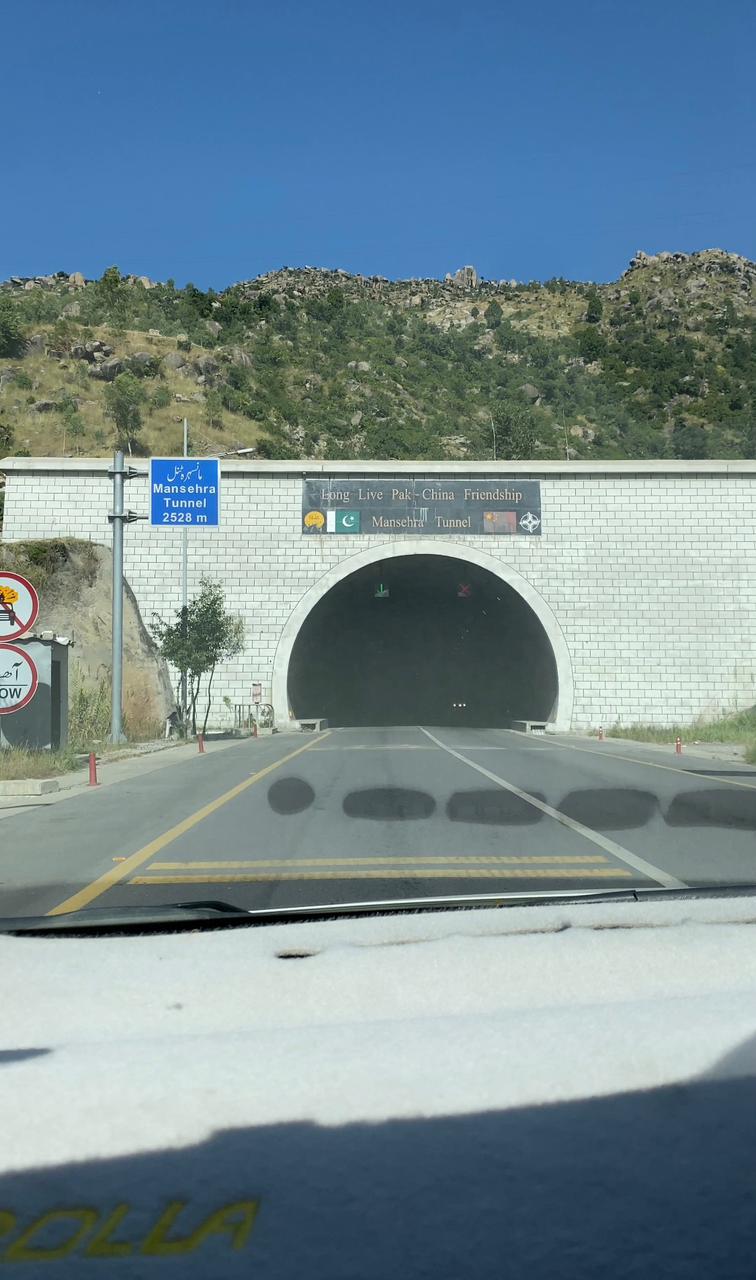
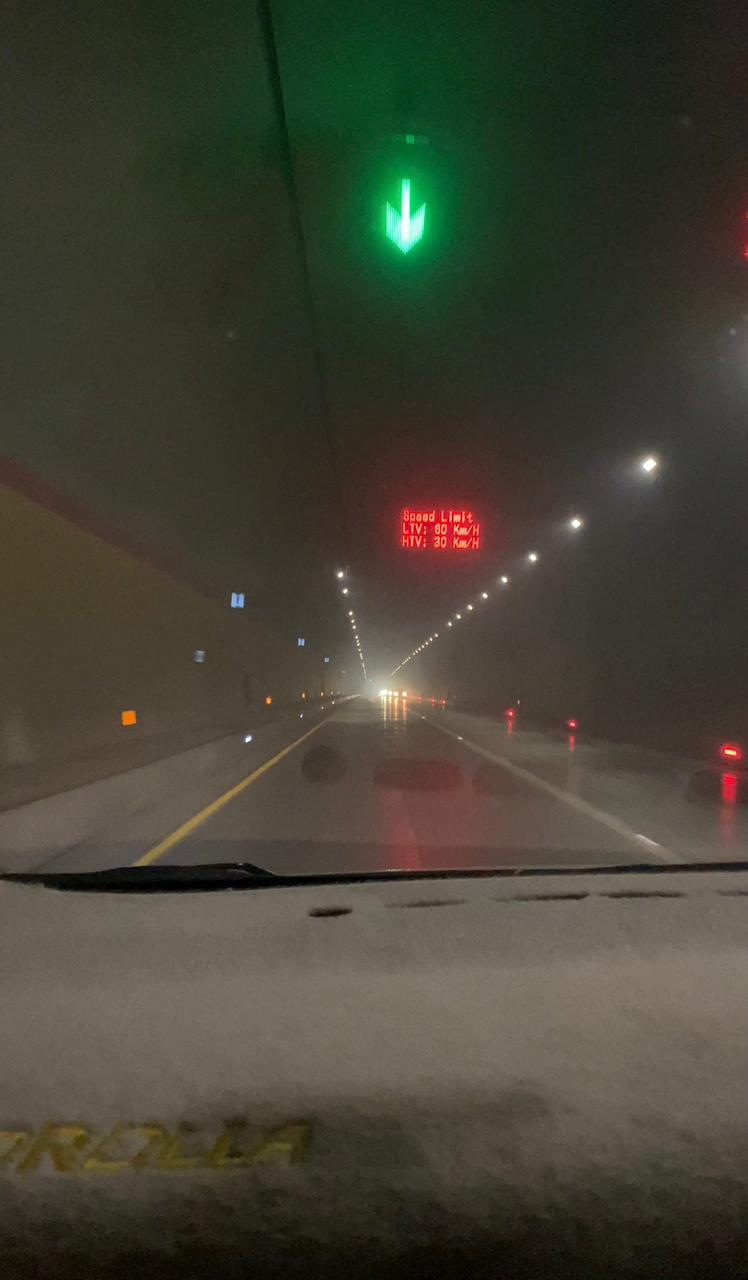
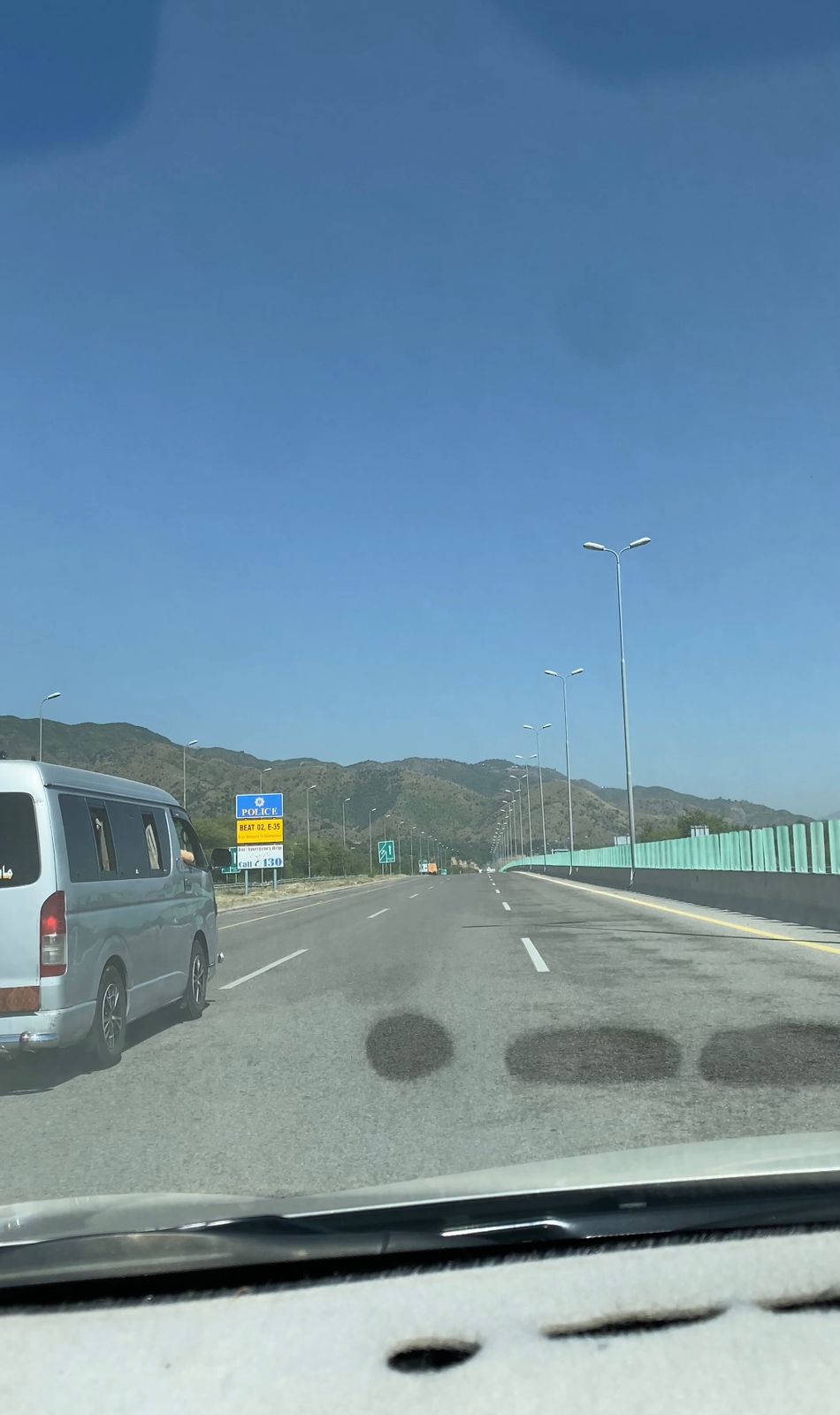

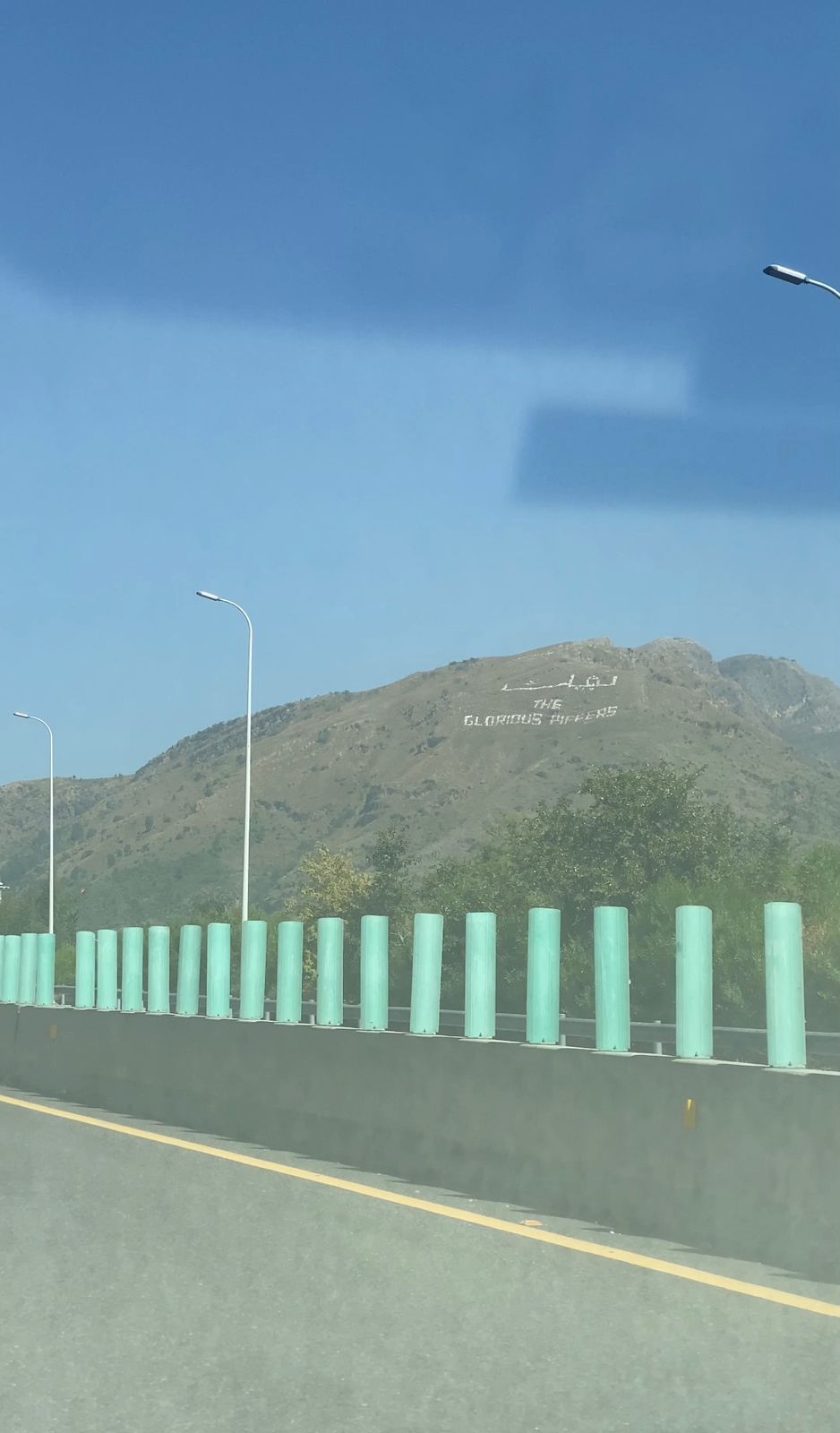
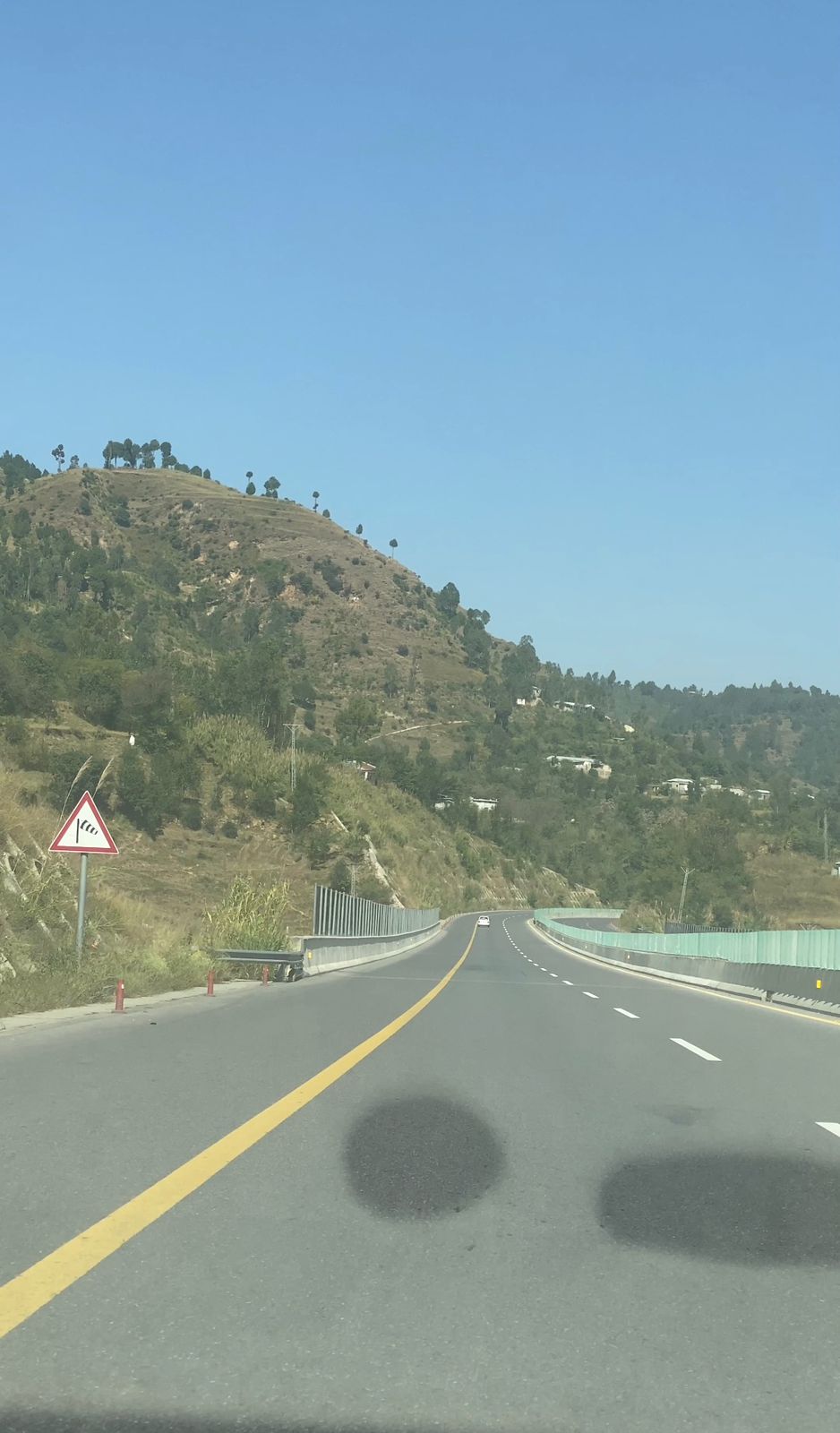
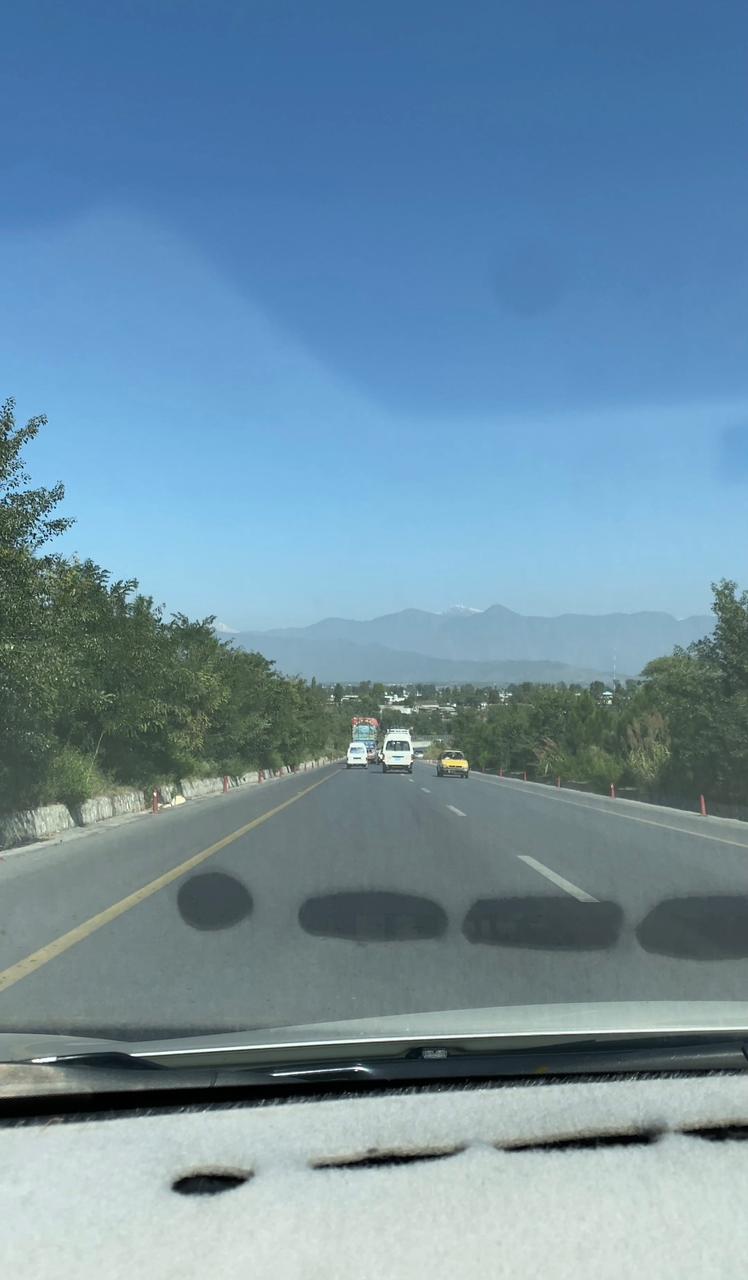
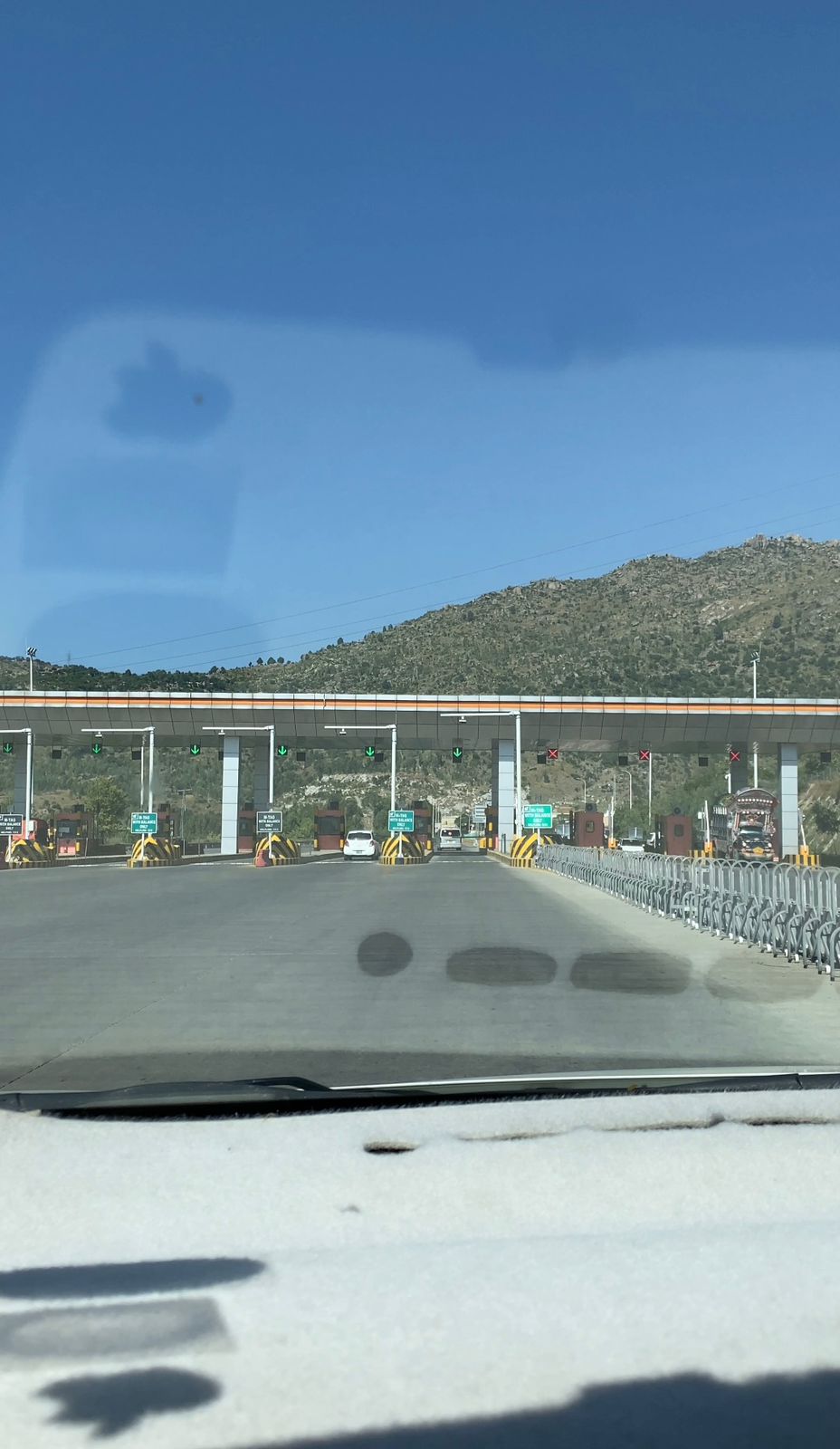
In Mansehra, we stopped for petrol and a toilet break. The photos in the above album are the scenery across the motorway of Pakistan to the north.
Shortcut to Balakot & Life on the Rural Roads
From Mansehra, we took a shortcut on a rough road in New Balakot. Along the way:
• I saw locals loading grass bundles onto trucks
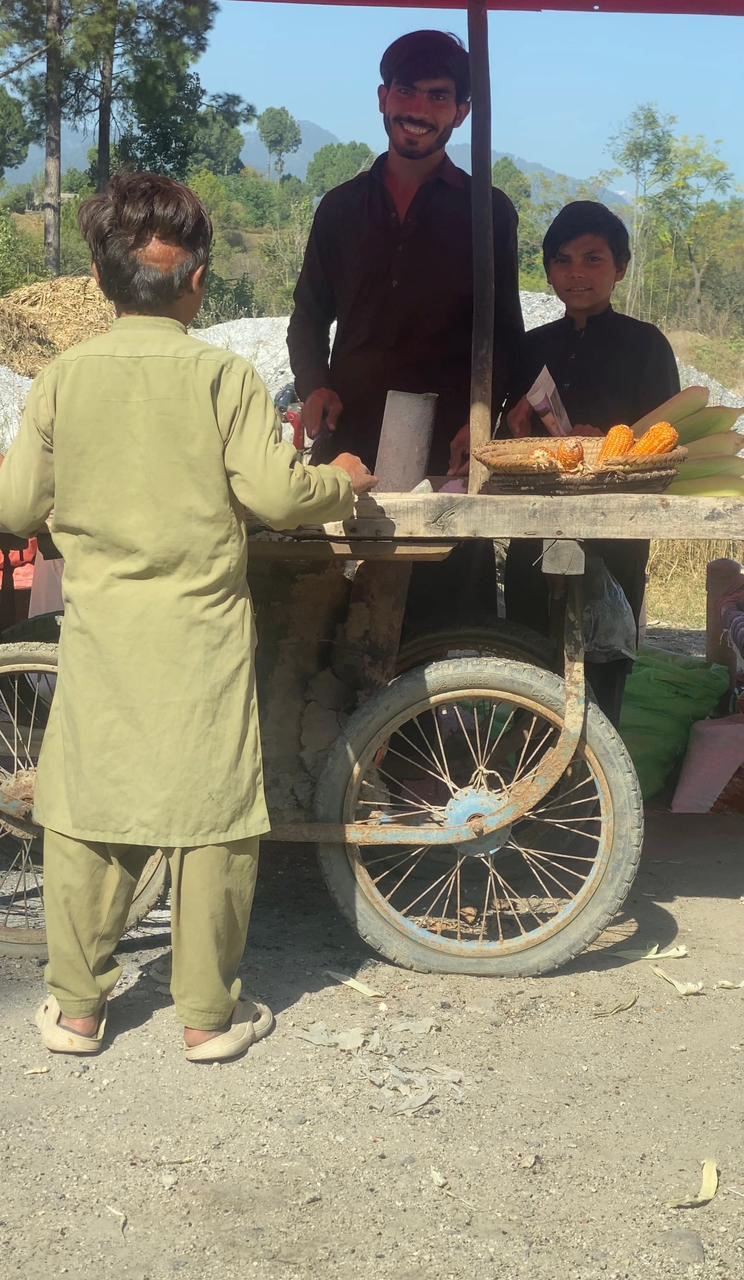
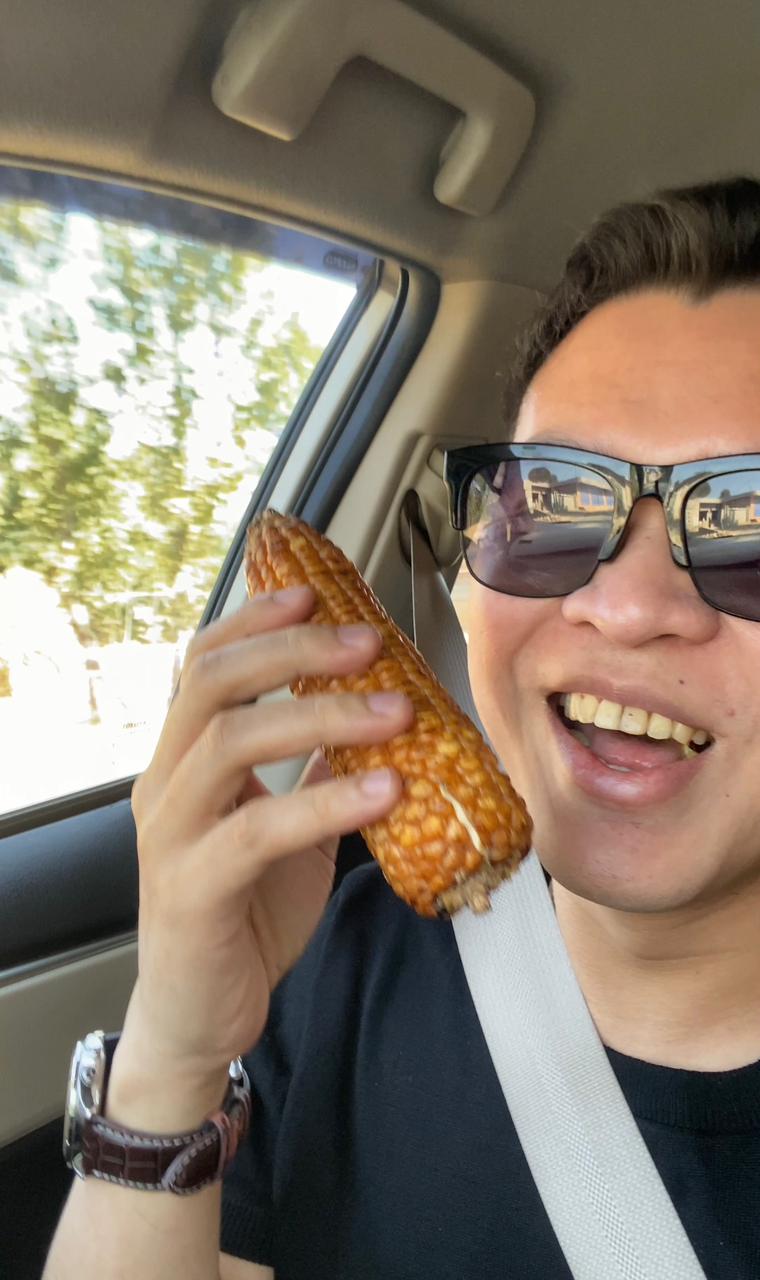
• Full smile corn sellers grilling charcoal-roasted corn in the middle of nowhere
• A standalone restaurant surrounded only by mountains
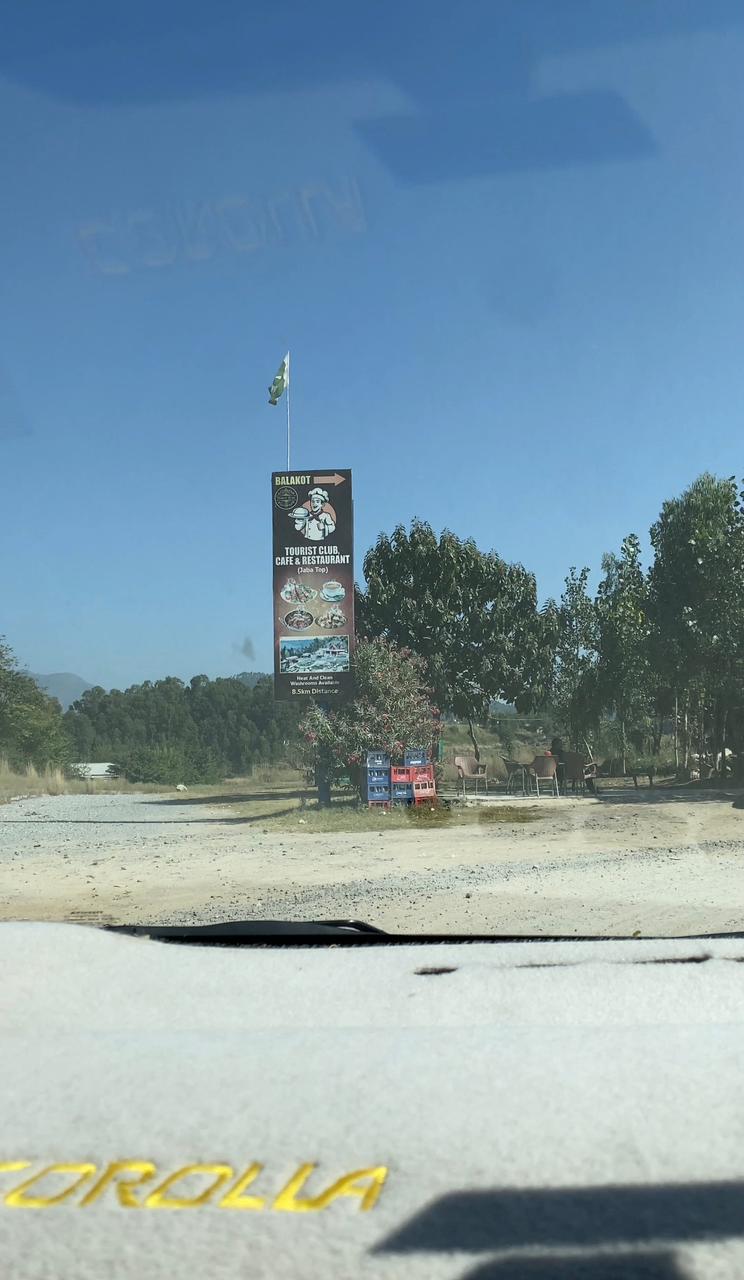


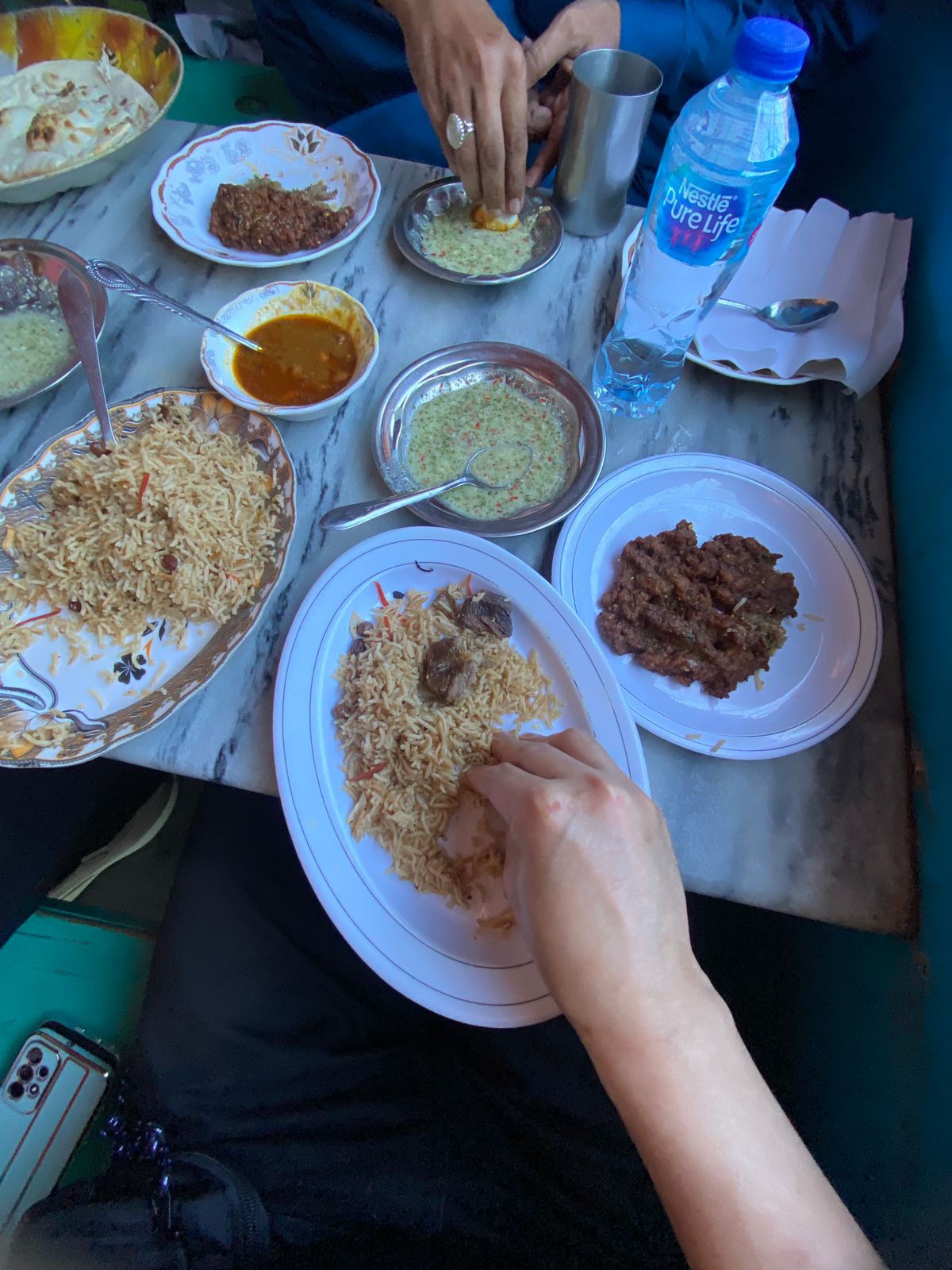
We pulled into Balakot town for a late, hearty lunch and indulged in the local specialty: a steaming, savory plate of Beef Pulao. Honestly, the town itself was so beautiful and lively. It’s more than just a stopping point; it’s a place where the mountain magic starts.
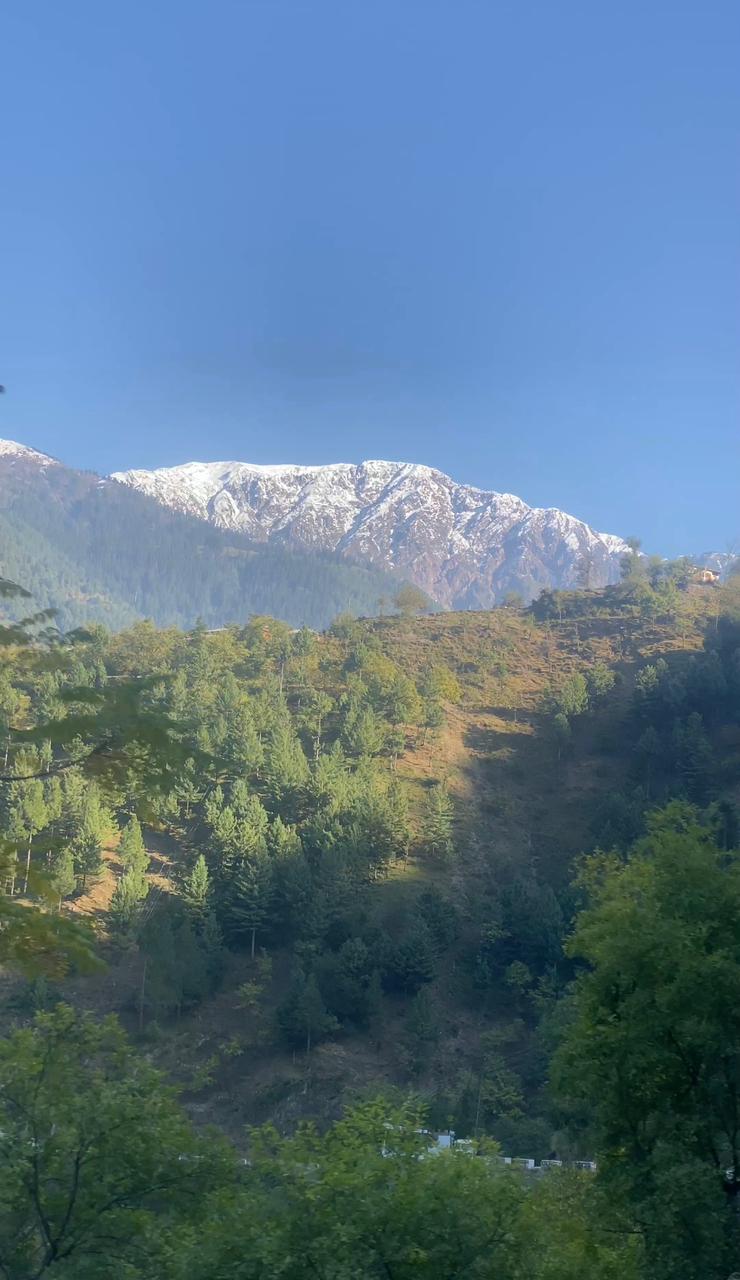
Right from the town, you can clearly see the incredible, ice-covered peaks of Siri Paye, glistening in the distance. It was the perfect, exciting preview of the heights we were heading toward!
Since the season was changing, we experienced frequent, charming traffic jams! Our journey was constantly paused as massive herds of sheep and goats moved slowly down the main road. They were being moved from the high, cold mountains to lower ground before the heavy snowfall.
Final Stop of the day: Shogran, where cold hits you to the bone
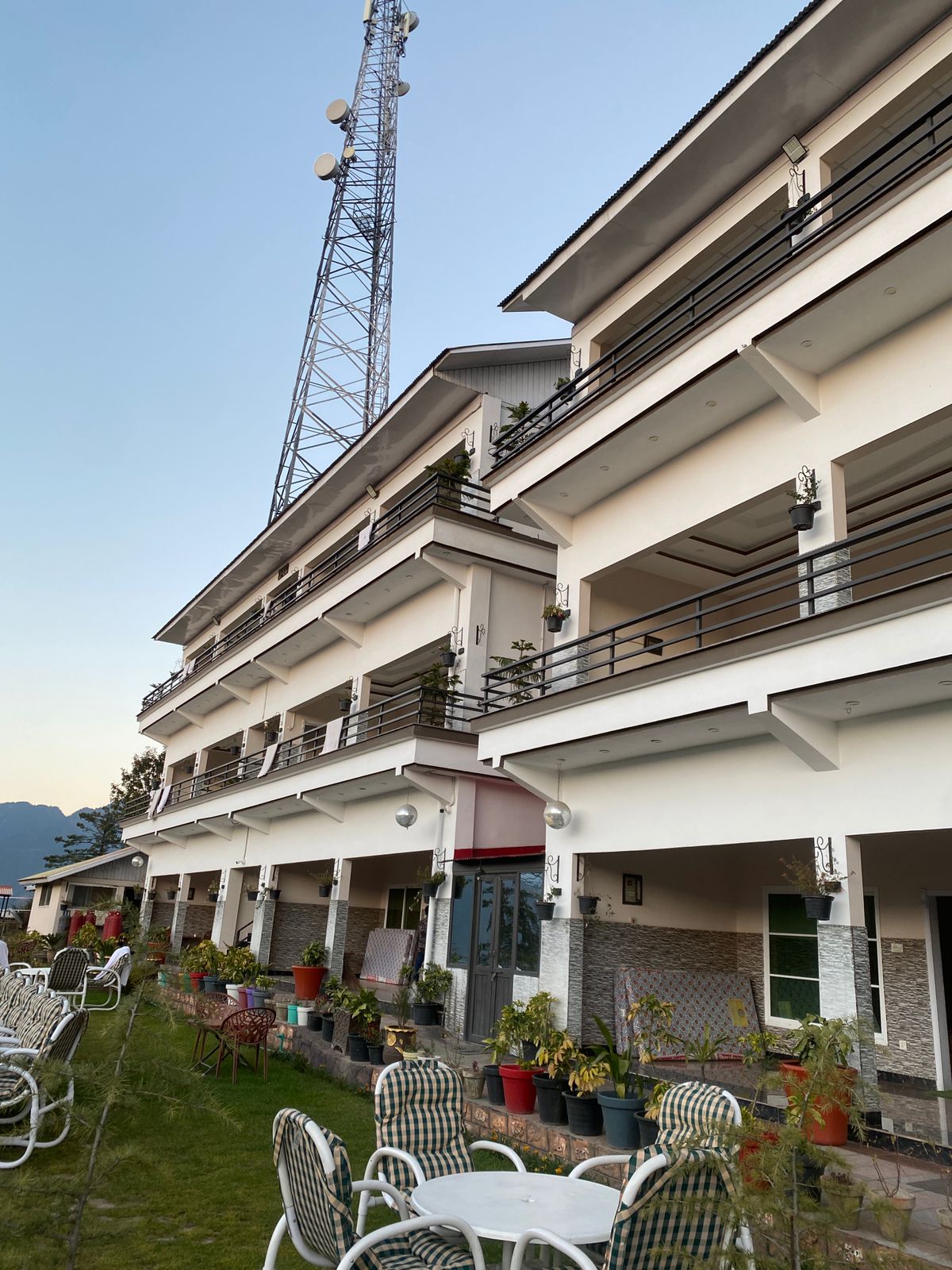
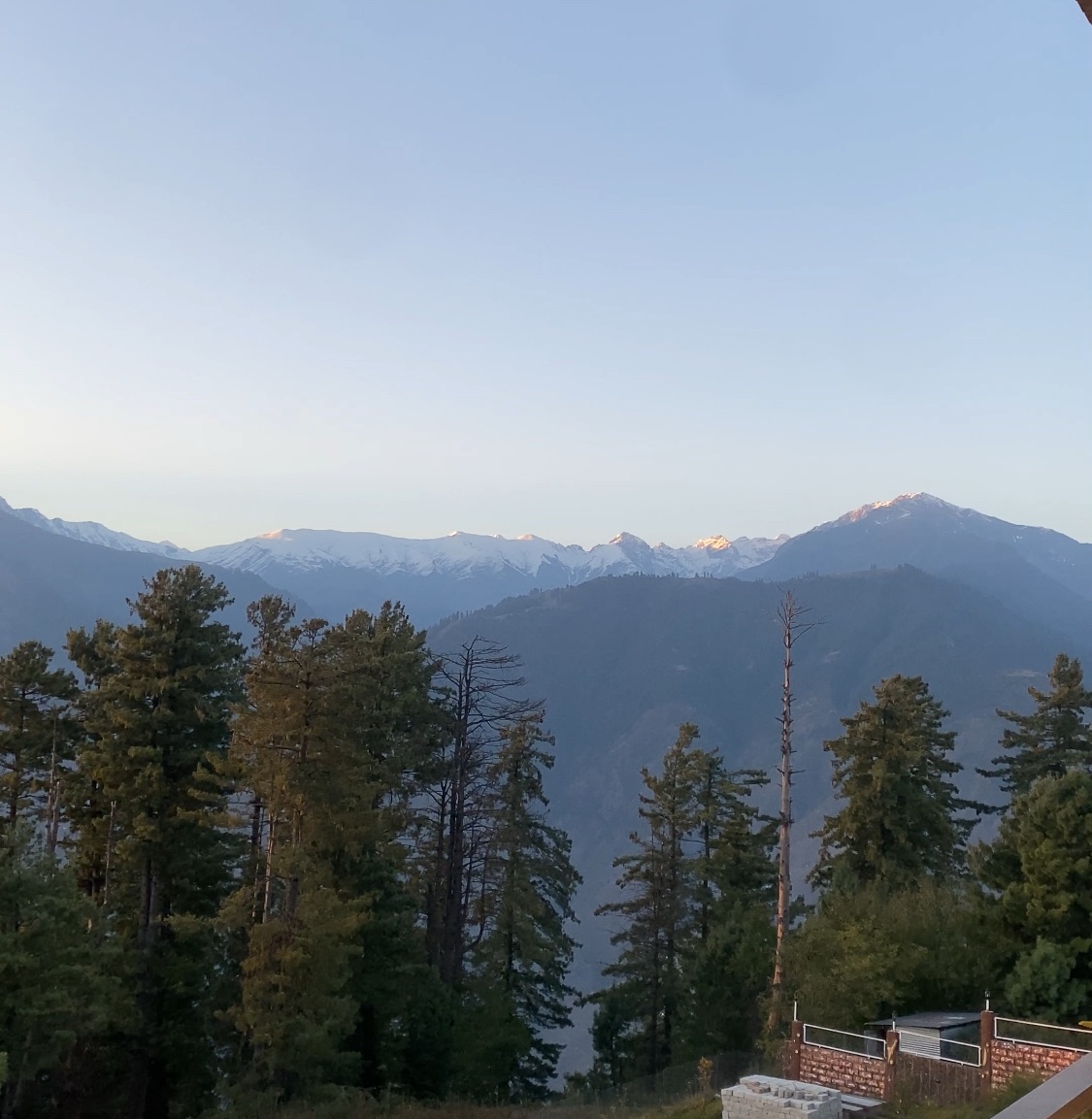
We finally reached Shogran, and I checked into White Castle Hotel & Resort. The mountain view? Stunning.
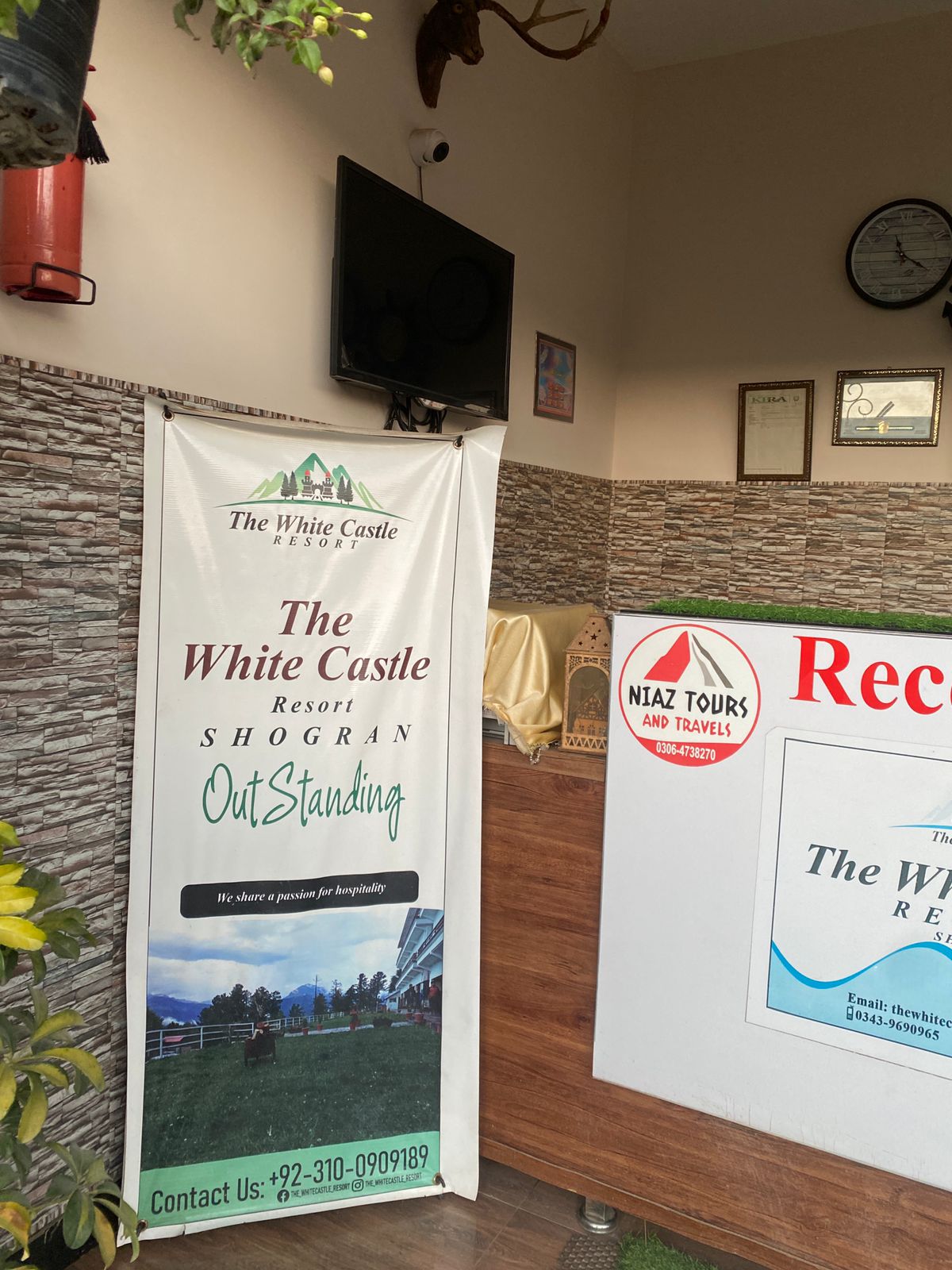
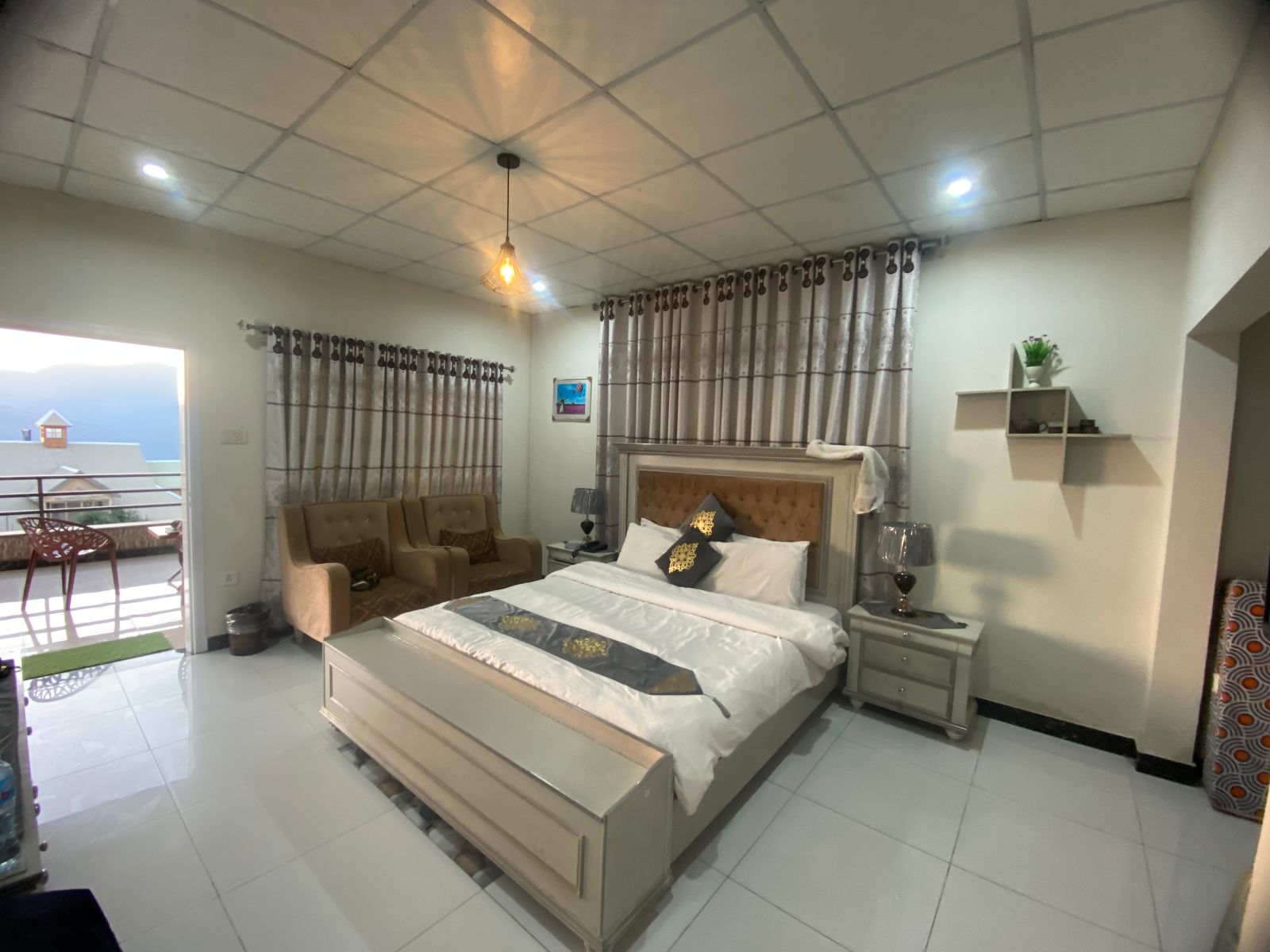
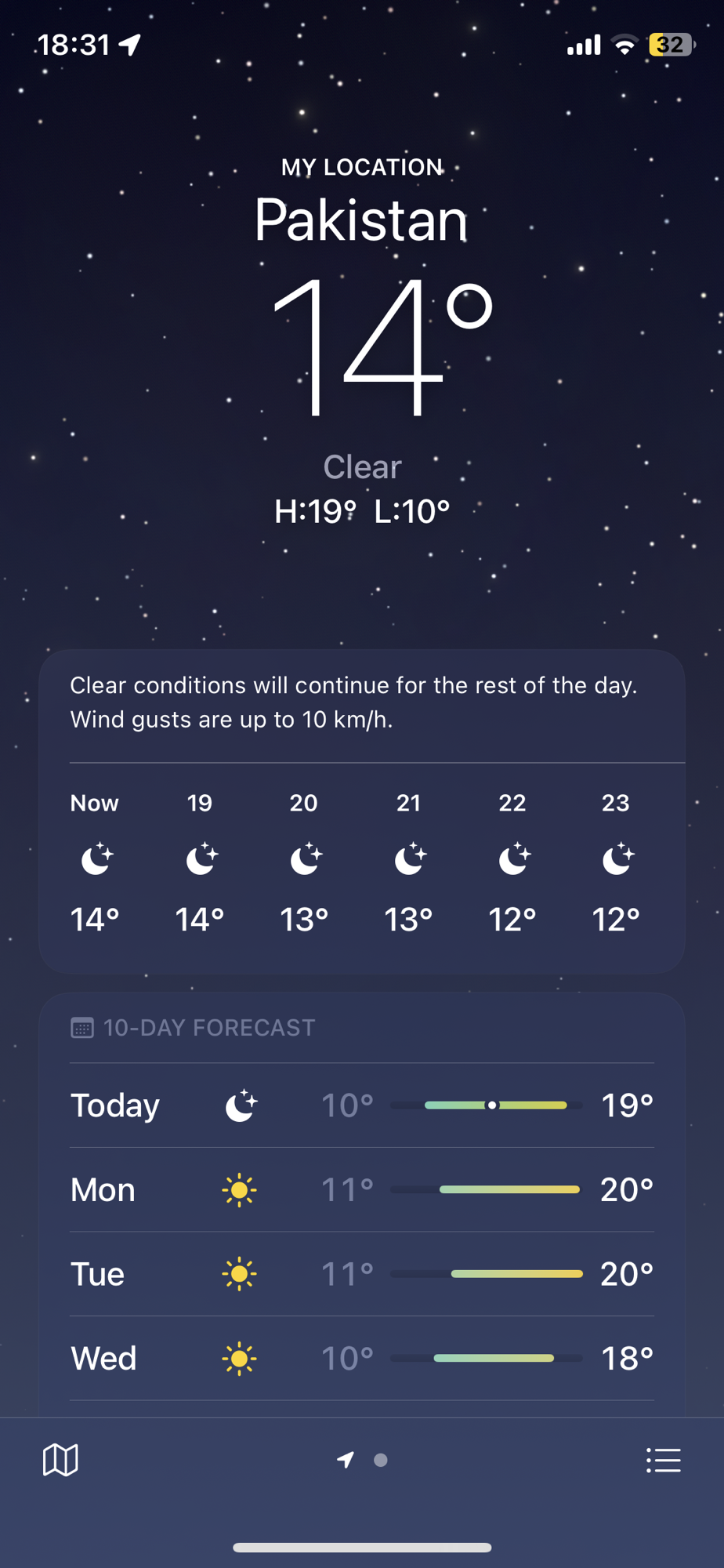
The temperature? 14°C and dropping fast.
There is a huge difference between “cool” and cold. I learned that lesson the hard way in Shogran.
Dressed only in a normal jacket over a sweater, my hands were quickly shaking as we headed to the nearby bazaar for dinner. My biggest regret of the trip was not properly preparing for a true winter. I had to frantically grab extra fabric just to cover my ears and half my face against the biting air.
For a Filipino living in the UAE, this kind of chill is on a different level. In Dubai, winter means I can still comfortably wear a short-sleeved shirt. Here? That’s totally impossible.
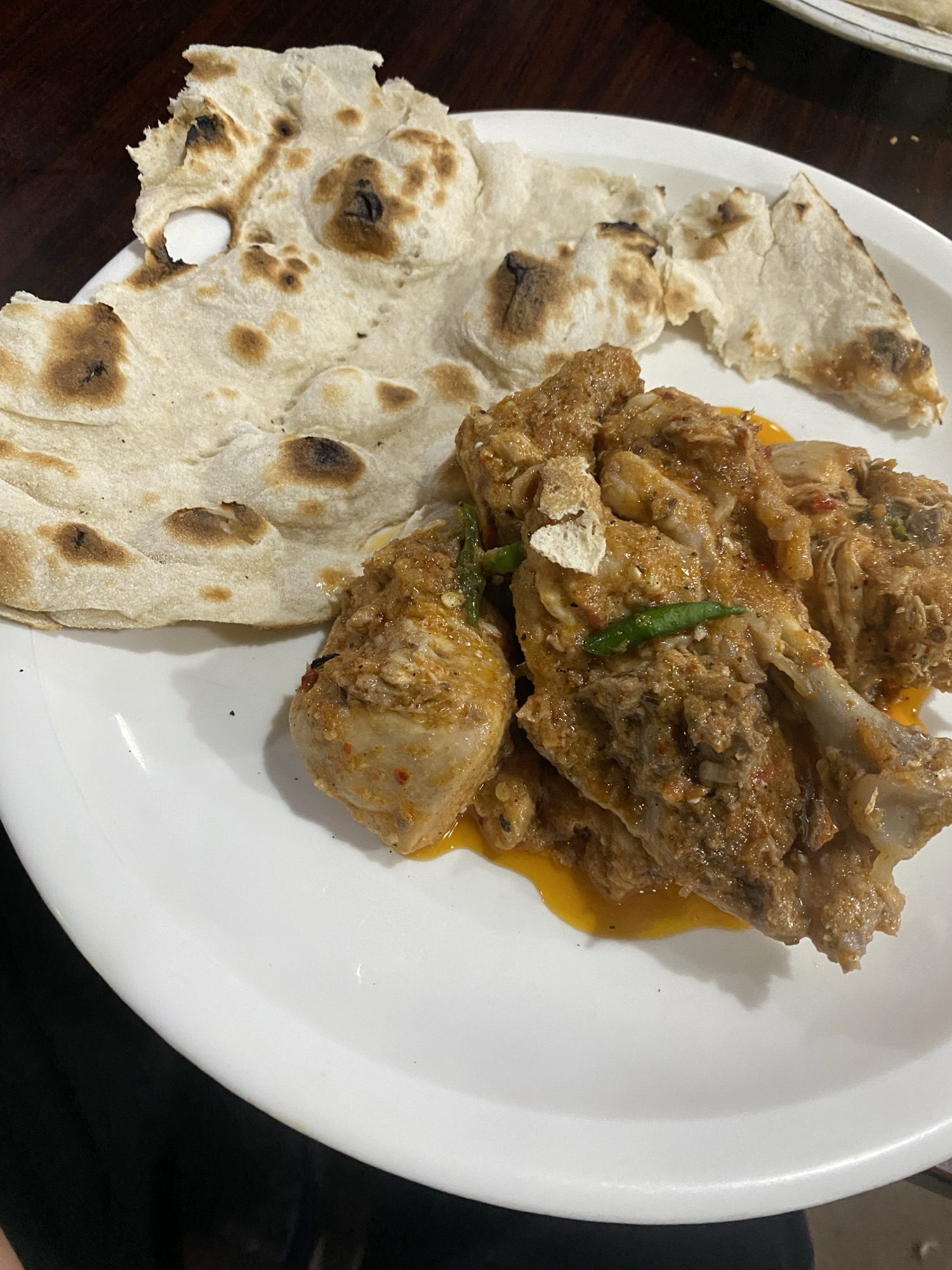
We desperately tried to fight the temperature, downing two steaming rounds of Karak Chai. The heat was a temporary comfort, but the cold was relentless, sinking deep into my bones. It was a freezing welcome to the mountain winter, and a clear reminder that I was very far from the warmth of the Gulf.

And your boy?
No jacket. No gloves. No hoodie.
Just vibes.
So here’s your reminder:
If you travel to northern Pakistan in October, bring:
• thick sweater or jacket
• gloves
• warm socks
• ear protection
• bonnet/beanie
• thermal leggings if you get cold easily
Nighttime becomes absolutely freezing; even the tap water feels like melted ice.
A Note About Evenings in the Mountains
Shogran is peaceful, but keep in mind:
• Nights can be extremely quiet
• Some resorts host bonfire groups and night parties, so expect noise until late at night
I woke up around 11 P.M. because some guests were laughing loudly outside during their bonfire session. Meanwhile, my team was already knocked out since 8 P.M. after the long drive.
It’s part of mountain travel, silence and chaos taking turns.
 discover with romer
Leave a comment