
I promised myself a short, necessary escape from the relentless grind of term exams at the end of the year. The academic pressure had mounted, leaving me yearning for a true break. With a brief but much-anticipated academic recess finally granted, I made the decisive choice to leave the mounting stress behind and venture south to Oslob, a name synonymous worldwide with the sight of its gentle giants, the whale sharks.
Early that morning, I secured my seat on a bus at the bustling South Terminal, the air thick with the promise of distance and discovery, and began the long journey south toward Santander. The hours on the road were filled with growing anticipation. Finally, I alighted at the Poblacion proper, ready to stretch my legs and walk the final distance toward my simple, rented space for the next few precious days of freedom.

For P200 a night, I rented a simple room located on a corner in Poblacion, near a heritage house and the Oslob Museum, close to the town plaza. The terrace offered a panoramic view of the ocean, where the whispering waves brought a profound calm. The lush mountains encircling Oslob stood in the distance, silent guardians over the town. The people of Oslob were incredibly welcoming, always sharing the most genuine smiles. But the most captivating element was the melody in their voices; their words seemed to dance to a rhythm, almost like a song.
Oslob Church: Nuestra Señora de la Inmaculada Conception
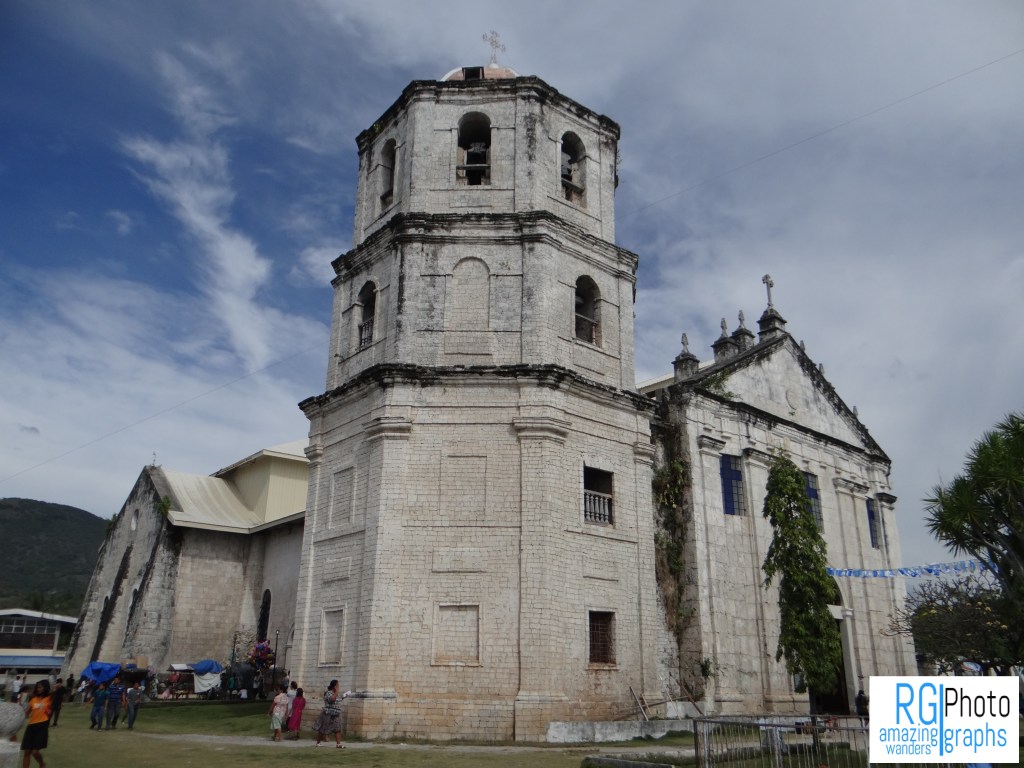
Across the corner from where I stayed, the Oslob Church, formally known as Nuestra Señora de la Inmaculada Concepción, anchors the town’s deep history as one of the oldest churches in Cebu. It serves not only as a place of worship but as an architectural gem that has endured centuries, its majestic charm undiminished.
The Ruins of Cuartel

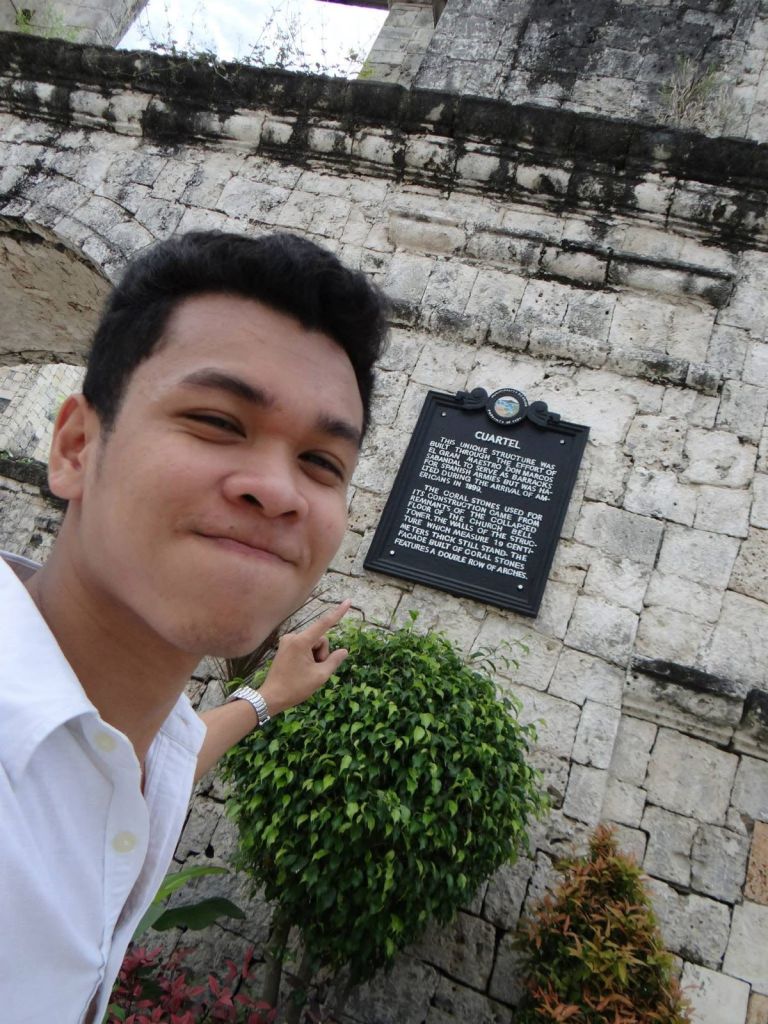
Just a short walk from the church, you’ll find the Ruins of Cuartel, a fascinating structure with a rich story. Built by El Gran Maestro Don Marcos Sabandal in the 1800s, this was intended to serve as barracks for Spanish soldiers. However, construction was halted when the Americans arrived in 1899. The coral stones used in its construction came from the collapsed floor of the church bell tower. Standing tall even today, the walls measure 19 cm thick, with a stunning facade made of coral stones and a double row of arches, adding a touch of Roman elegance to the site. This is a must-visit for history lovers and architecture enthusiasts.
Museo Oslob
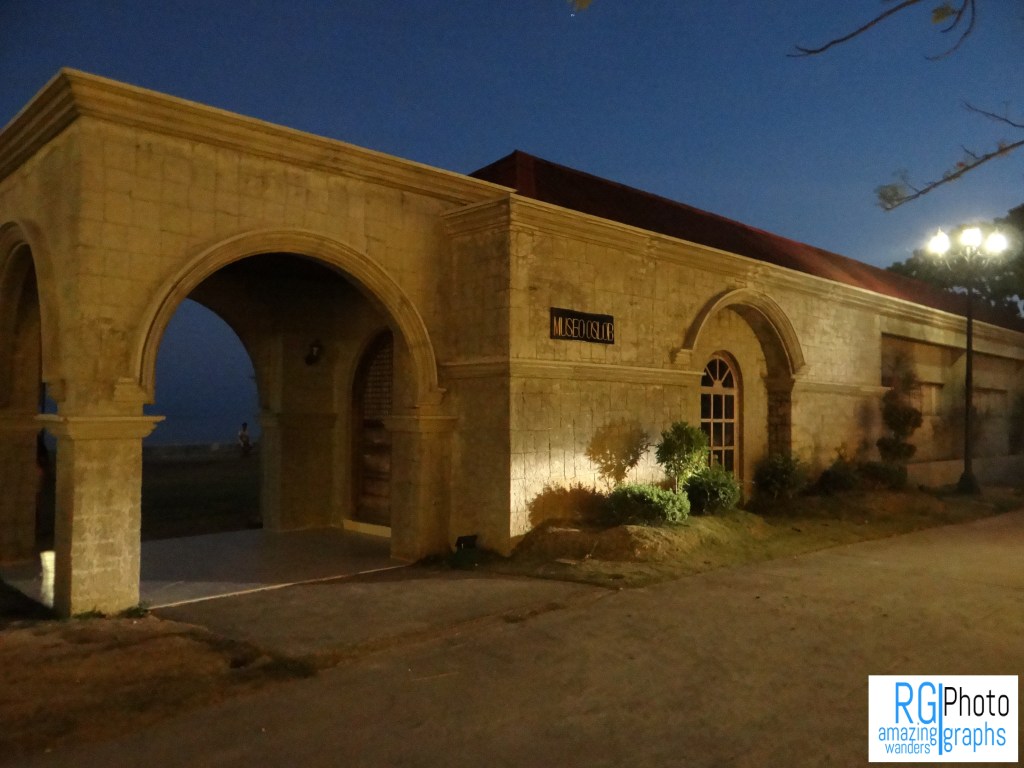
Behind the Cuartel, you’ll find the Museo Oslob, a quaint museum housing antiques and relics that tell the story of the town’s past. The collection includes a variety of tools, kitchenware, and everyday objects used by the locals, offering a glimpse into the life of Oslobanos throughout history.
Ruins of Baluarte
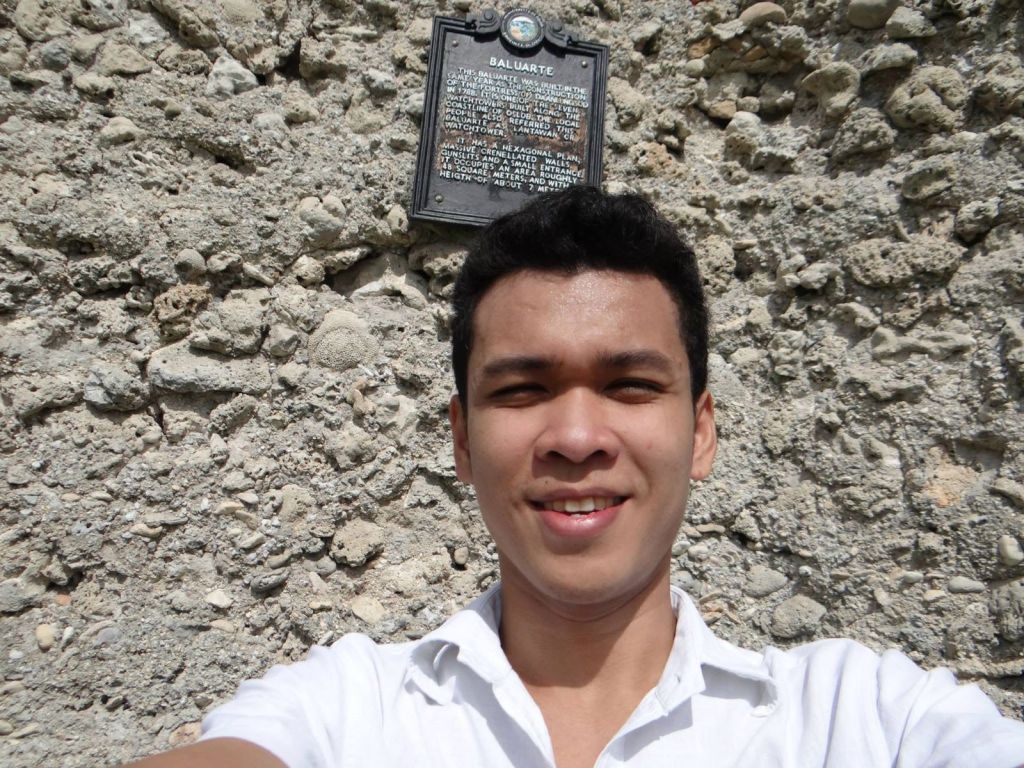
Just a short five-minute walk from Museo Oslob brings you to another fascinating historical site: the Ruins of Baluarte. Located near the municipal clubhouse by the seawall, it’s one of the seven watchtowers built along Oslob’s coastline in 1788 to protect the town from pirates. This watchtower, known locally as lantawan, has a hexagonal structure with massive crenellated walls, gun slits, and a small entrance. It stands 7 meters tall and covers an area of 48 square meters, a remarkable sight that offers insight into Oslob’s historical defense system.
Tumalog Falls
On my final day in Oslob, I had initially planned to go whale watching. But as luck would have it, unforeseen circumstances led me to change my plans. Instead, I ventured to Tumalog Falls, a breathtaking waterfall tucked in the mountainous area on the way to my original whale-watching destination.
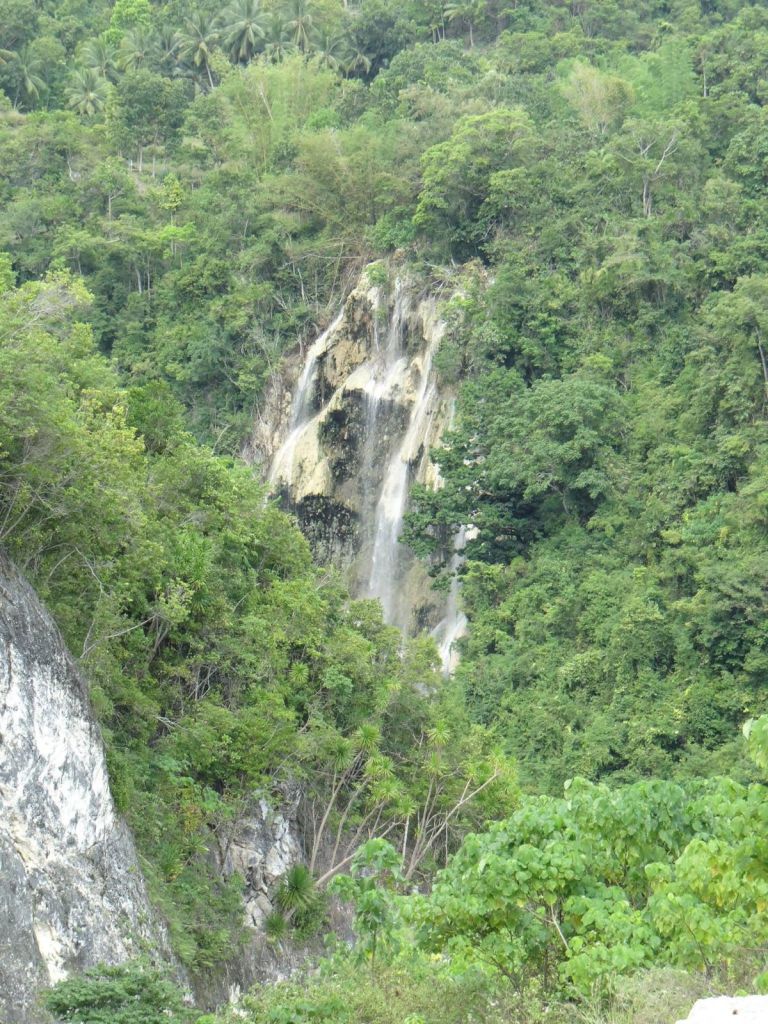
From the highway, I hopped on a motorcycle to reach the entrance of the falls. The cold, fresh water cascading down from the mountain was so refreshing that I found myself diving in and out of the falls repeatedly to cool off.
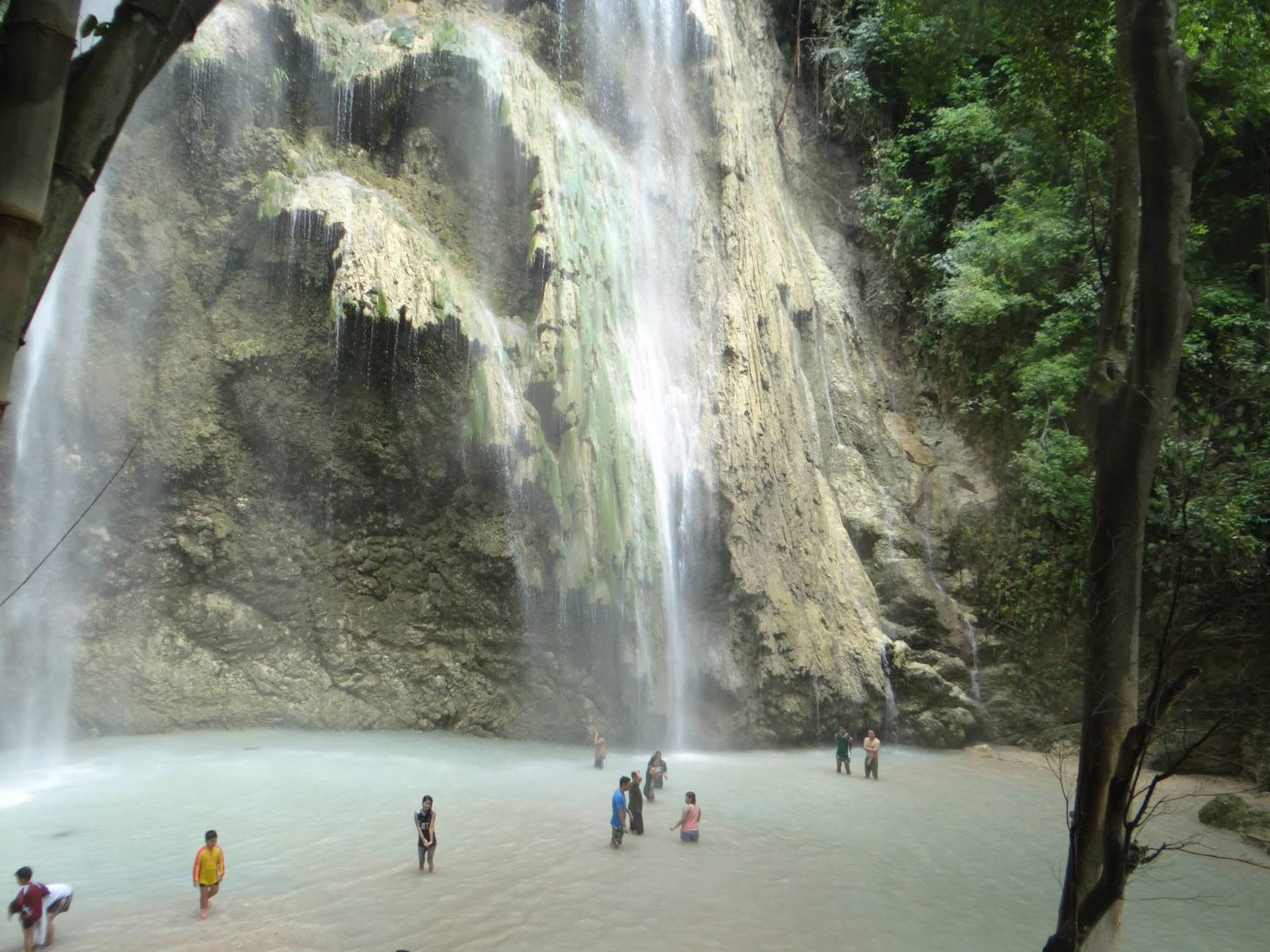
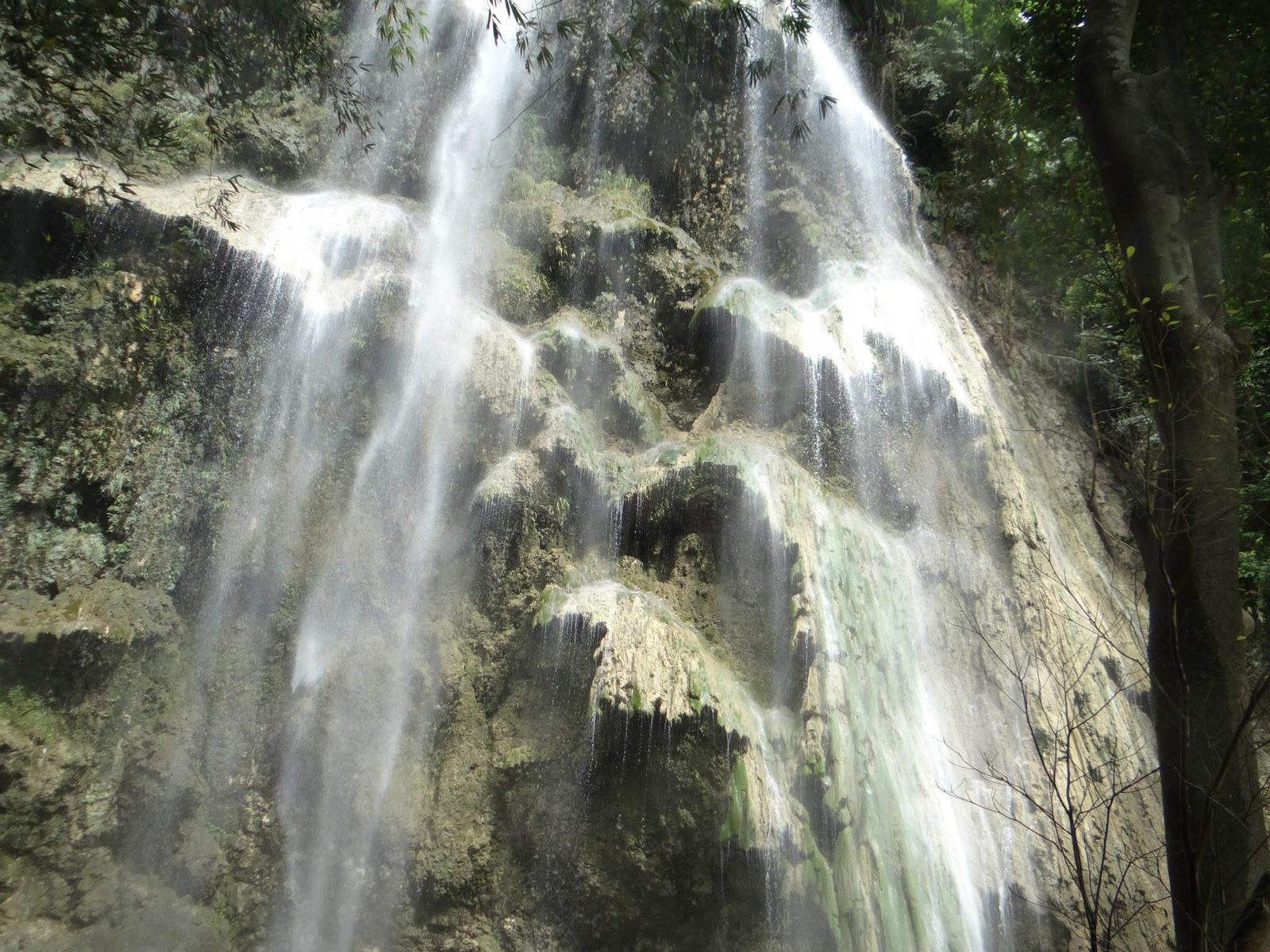



However, the journey back proved to be more challenging. The hill leading up to the elevated part where motorcycles are waiting was steep and a significant challenge to climb. It wasn’t just an incline; it was a demanding ascent where every upward step required conscious effort. You could truly feel the dramatic change in elevation with each breath I took, and a deep, satisfying burn began to radiate through my calf and thigh muscles.
I was then surprised to learn that we couldn’t just hail any standby motorcycle back down; we were restricted to the specific local rider who brought us up. This meant I had to settle in and wait. But this unexpected delay, sitting alone on the hillside, gifted me a precious, quiet moment. It allowed me a chance to deeply reflect on the wild, unspoiled beauty and profound tranquility of the area I had just left, transforming the wait from an inconvenience into a peaceful, necessary pause.
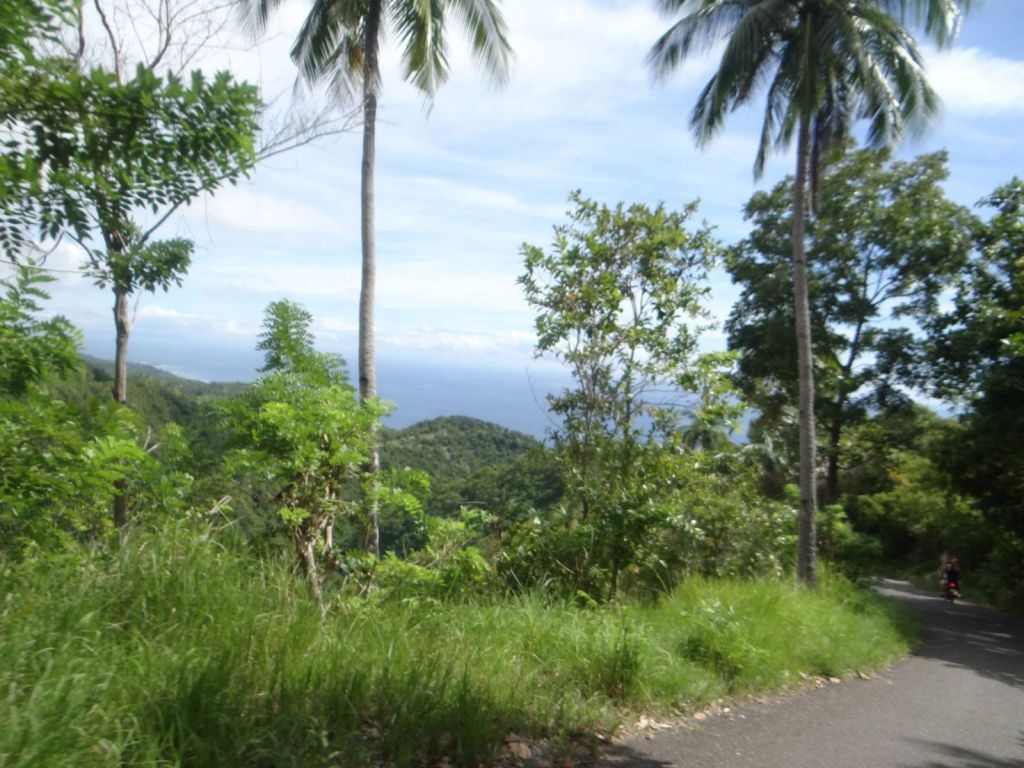
On my way back to Poblacion proper, I caught a non-airconditioned bus from the Tumalog Falls intersection. My clothes were completely soaking wet, as I hadn’t brought a change. Despite the damp discomfort, I was thoroughly happy, completely captivated by the coastal scenery. The bus navigated the cliffs, offering my eyes constant views of the overlooking, vibrant turquoise-blue water.
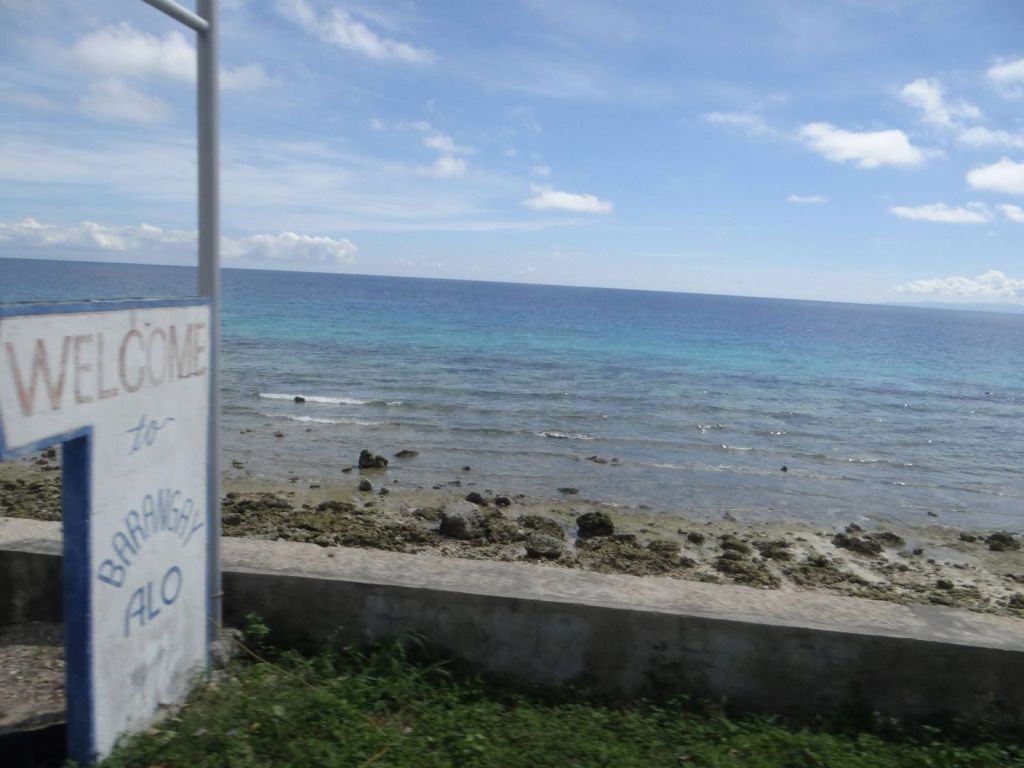

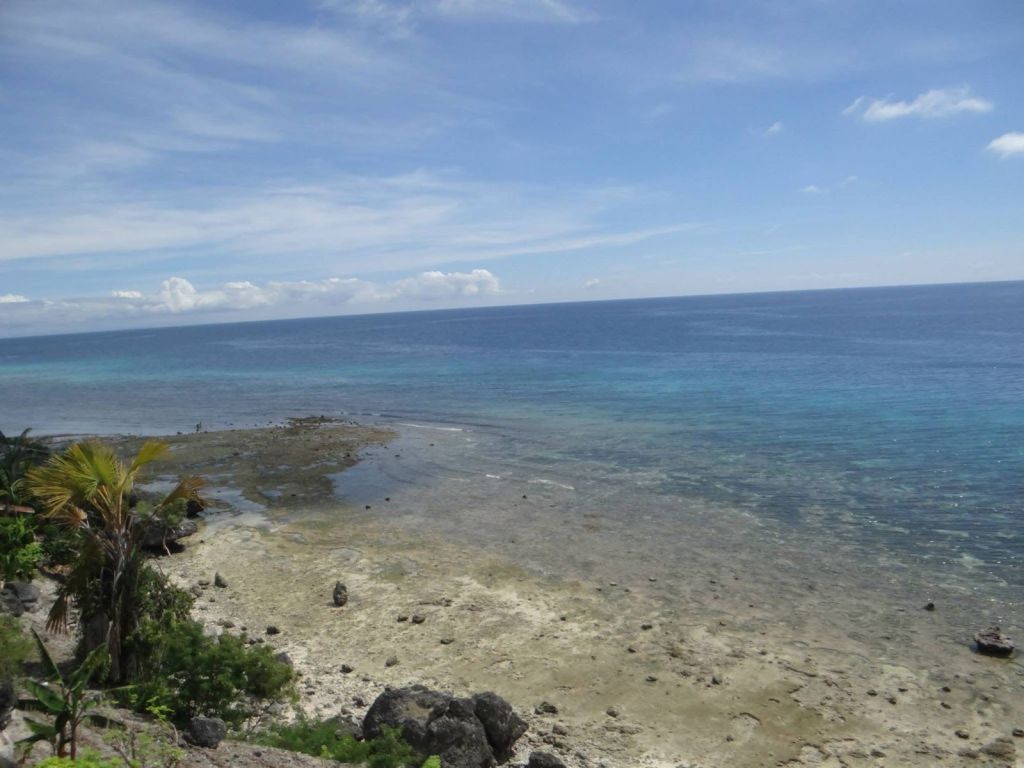
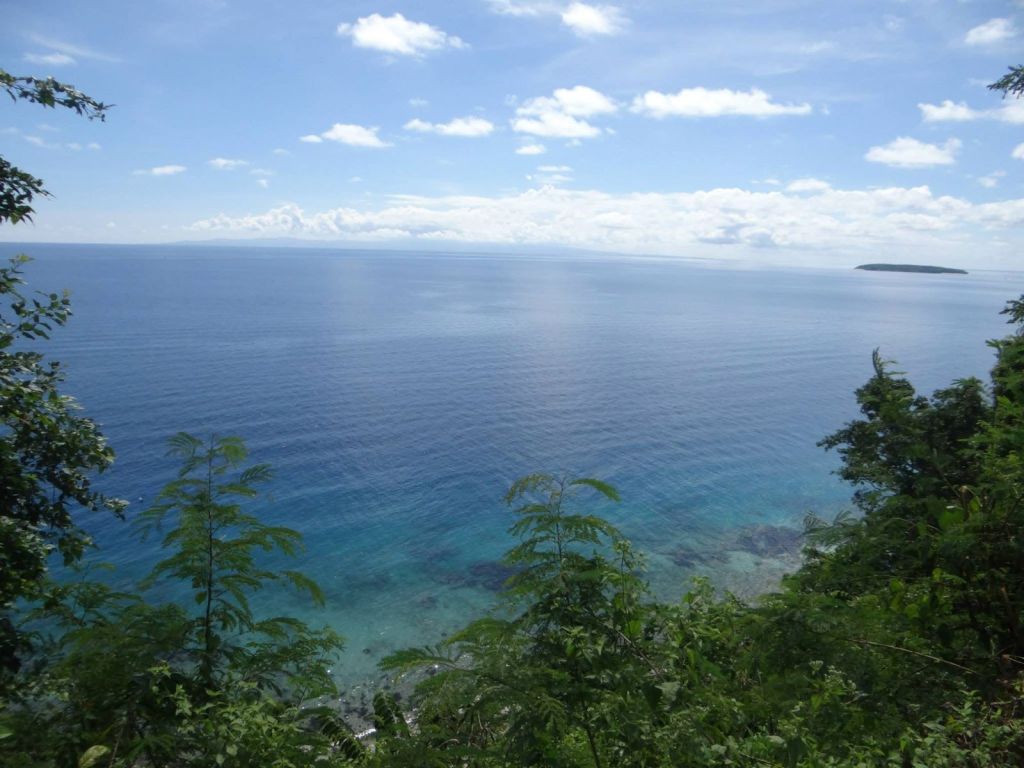
My trip to Oslob turned out to be more than just a quick escape; it was an immersion into history, culture, and nature. From exploring the ruins of Cuartel and Baluarte to enjoying the soothing waters of Tumalog Falls, Oslob offers a unique mix of experiences. Whether you’re here to witness the majestic whale sharks or just to unwind in a town rich in heritage, Oslob’s charm lies in its warm people, stunning landscapes, and deep-rooted history.
For anyone planning a trip to Cebu, this southern gem is a destination worth exploring.
Travel Information
- Bus Fare from Cebu City to Oslob:
- P144.00 (air-con)
- P138.00 (ordinary)
- Student Fare:
- P115.00 (air-con)
- P110.00 (ordinary)
- Motorcycle Ride from the Highway to Tumalog Falls Entrance: P30.00
- Tumalog Falls Entrance Fee: P20.00
 discover with romer
Leave a comment